4 Essential Steps to Get Your Travel Website on the Map in 2026

Most travellers today research, plan and book their entire holiday online. If you’re running a travel or hospitality business, your website needs to work harder than ever to capture attention and convert browsers into bookers.
The tourism industry is fiercely competitive online. Like any business, you need the right digital marketing tips for small businesses to stand out. Your website isn’t just competing with local operators – it’s up against global booking platforms, influencer content, and every destination fighting for the same eyeballs.
Here are four essential strategies to make your travel website stand out and drive real bookings.
Create Visual Impact That Stops the Scroll
Travellers make split-second decisions about destinations based on what they see first. Crystal clear waters, dramatic mountain ranges, vibrant cityscapes – these visuals don’t just decorate your site, they sell the dream.
High-quality imagery needs to dominate your homepage and key landing pages. But it’s not just about pretty pictures. Your visuals should tell a story about the experience you’re offering.
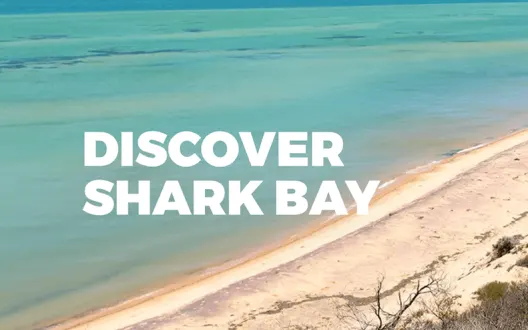
How We Transformed Shark Bay’s Visual Presence
We recently redesigned the Shark Bay World Heritage website for the WA Department of Parks and Wildlife. This UNESCO World Heritage site needed a digital presence that matched its natural magnificence.
The challenge was massive – how do you capture one of only 19 World Heritage sites in Australia through a screen? We used large-format photography that showcases the region’s unique landscapes, from pristine beaches to ancient stromatolites.
The imagery had to work double-duty: inspiring potential visitors while supporting substantial educational content for students and researchers. Strategic visual placement breaks up text-heavy sections and maintains engagement throughout the user journey.
Visual Strategy That Converts
Your website design should prioritise visual hierarchy. Hero images grab attention, gallery sections showcase variety, and strategic use of video creates emotional connection.
Don’t forget about image optimisation. Large, uncompressed photos kill website speed, which directly impacts both user experience and search rankings.
Video Content That Builds Purchase Intent
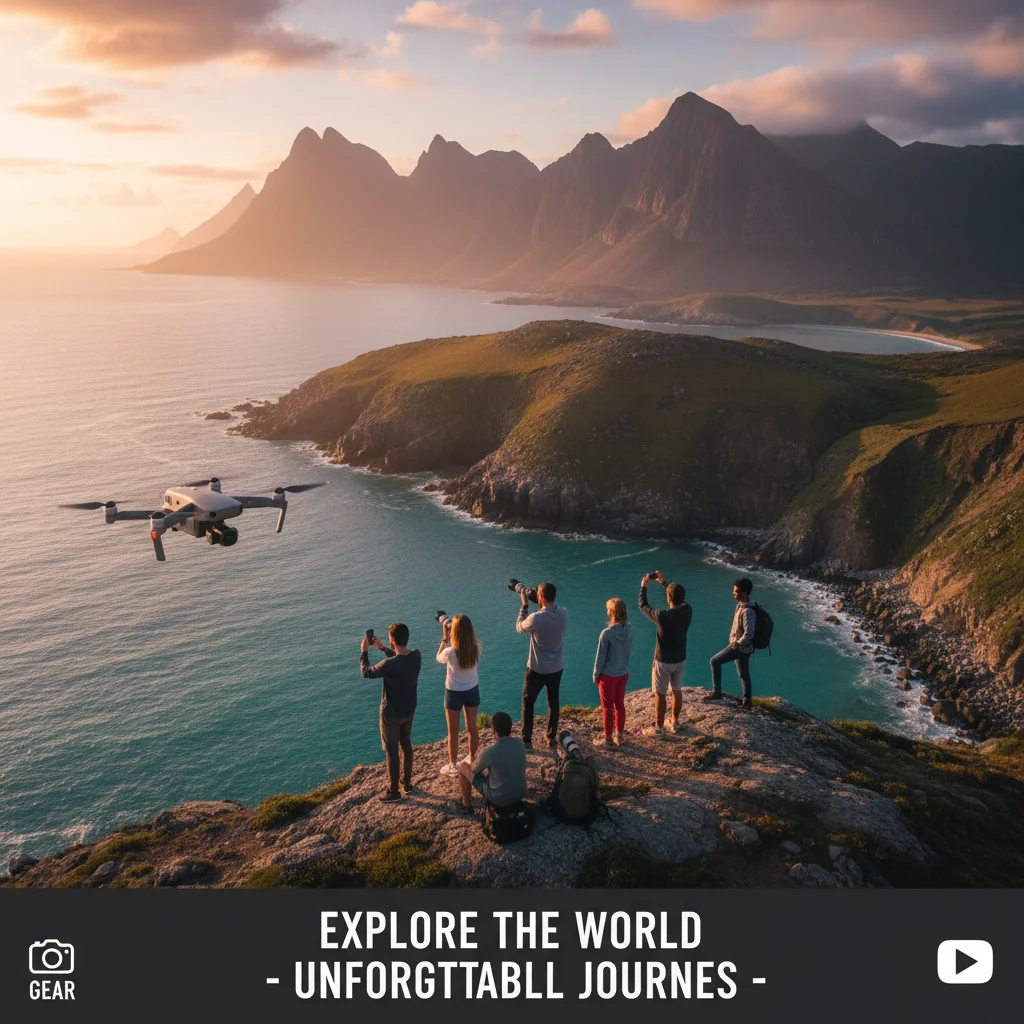
Video content isn’t optional anymore – it’s what drives travel decisions. Travellers want to see destinations in motion, experience the atmosphere, and imagine themselves there.
YouTube has become the second-largest search engine globally, with travel content performing exceptionally well. Your potential customers are already there, searching for destination inspiration and planning information.
Types of Video Content That Work
Destination showcases work well for tourism boards and accommodation providers. Customer testimonials build trust and social proof. Behind-the-scenes content humanises your brand and creates authentic connection.
Don’t overlook practical content either. “How to get there” videos, local tips, and seasonal highlights provide genuine value while positioning your business as the local expert.
Video content also amplifies your social media strategy. Short-form videos for Instagram and TikTok drive awareness, while longer YouTube content supports detailed planning and booking decisions.
Mobile-First Design for Modern Travellers
Mobile traffic dominates travel websites, and the trend keeps accelerating. Two out of three millennial travellers plan entire trips on their smartphones.
While desktop still leads for final bookings, mobile drives the entire discovery and research phase. Your mobile experience shapes first impressions and influences whether users ever reach the booking stage.
Essential Mobile Features
Fast loading speeds are non-negotiable. Mobile users abandon sites that don’t load within three seconds. Optimise images, minimise plugins, and choose hosting that can handle traffic spikes during peak booking periods.
Navigation needs to be thumb-friendly. Large, clearly labelled buttons, intuitive menu structures, and easy access to key information like pricing and availability.
Consider the mobile context too. Travellers often search for information while they’re already at destinations. Location-based features, offline accessibility for key information, and streamlined contact options become essential.
Shark Bay’s Mobile Transformation
The Shark Bay website presented unique mobile challenges. The site contains extensive educational content, detailed visitor information, and complex navigation across multiple sections.
We redesigned the information architecture to prioritise mobile users while maintaining desktop functionality. Collapsible content sections, intuitive search functionality, and location-based features help visitors find what they need quickly.
The result is a mobile experience that works whether you’re planning from home or standing at the visitor centre. Understanding web usability principles drives these design decisions.
SEO Strategy That Captures Travel Intent
Google shapes travel decisions more than any other platform. Travellers start with broad searches like “best beach destinations Australia” and gradually narrow down to specific bookings.
Your SEO strategy needs to capture users across this entire journey. From early inspiration searches to last-minute booking queries, visibility at every stage drives cumulative results.
Keyword Strategy for Travel Businesses
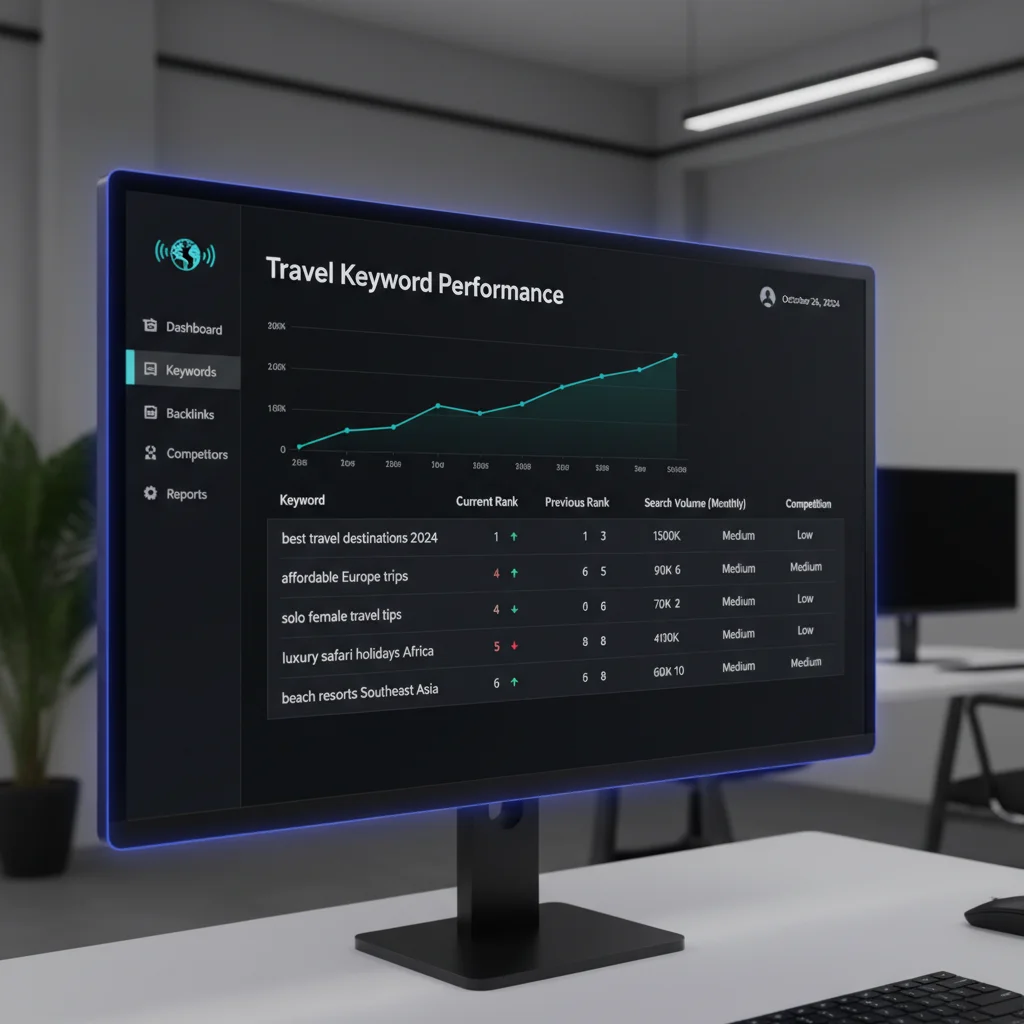
Travel SEO works across multiple intent levels. Informational content captures early-stage researchers. Commercial content targets comparison shoppers. Transactional pages convert ready-to-book visitors.
Location-based keywords are essential, but don’t ignore seasonal and activity-based search terms. “Coral Bay snorkelling September” captures much more specific intent than “Western Australia tourism”.
Long-tail keywords often convert better in travel. People searching “family-friendly accommodation Broome with pool” are closer to booking than those searching “Broome hotels”.
Technical SEO for Travel Sites
Travel websites face specific technical challenges. Image-heavy content, seasonal traffic spikes, and complex booking integrations can impact performance without proper optimisation.
Google Business Profile optimisation is also critical for travel operators who rely on local search. Structured data becomes particularly valuable for travel sites. Review schemas, event markup, and local business data help your content stand out in search results and voice search responses.
Avoid common SEO mistakes that particularly impact travel sites: duplicate content across accommodation listings, missing alt text on destination photos, and poor internal linking between related destinations.
Content Marketing That Builds Authority
Travel content marketing goes beyond selling – it builds trust and positions your brand as the local expert. Seasonal guides, insider tips, and practical planning advice create value that encourages bookings.
Regular blog content optimised for SEO captures long-tail search traffic and builds domain authority over time. This organic visibility becomes increasingly valuable as paid advertising costs continue rising.

Measuring Success and Continuous Optimisation
Travel websites need specific metrics beyond standard web analytics. Seasonal booking patterns, customer lifetime value, and source attribution across long research cycles require sophisticated tracking.
Key performance indicators should align with business goals. Direct bookings, inquiry quality, and repeat visitor rates often matter more than total traffic volume.
Set up conversion tracking in Google Analytics 4 that accounts for the travel booking cycle. Many customers research extensively before booking, sometimes across multiple devices and sessions. Proper attribution helps identify which marketing efforts actually drive revenue.
Ready to Transform Your Travel Website?
The travel industry rewards businesses that execute digital strategy well. Visual appeal, mobile optimisation, video content, and search visibility work together to create competitive advantage.
These aren’t one-time improvements – they require ongoing optimisation and adaptation to changing traveller behaviour and search algorithms.
Need help implementing these strategies for your travel business? PWD Digital Agency specialises in tourism website design and digital marketing. We’ve worked with destinations across Australia to increase bookings and build stronger online presence.
Contact our team to discuss how we can help your travel website stand out in a competitive market.
Frequently Asked Questions
How important is mobile optimisation for travel websites?
Mobile optimisation is essential for travel websites. Two-thirds of millennial travellers plan entire trips on smartphones, and mobile traffic dominates the research phase of travel planning.
What types of images work best for travel websites?
High-quality destination photos, activity shots, and authentic experiences work best. Images should tell a story and help visitors imagine themselves at your destination.
How does video content impact travel bookings?
Video content builds purchase intent by showing destinations in motion and creating emotional connections. It performs exceptionally well on social media and YouTube for travel inspiration.
What SEO strategies work best for travel businesses?
Focus on location-based and long-tail keywords that capture specific travel intent. Create content for different stages of the booking journey and optimise for local search results.
How do I measure success for a travel website?
Track metrics like direct bookings, inquiry quality, repeat visitors, and seasonal booking patterns. Set up conversion tracking that accounts for long research cycles typical in travel planning.