

9 Actionable eCommerce SEO Tips to Boost Your Rankings in 2026

E-commerce sales continue their meteoric rise as consumers embrace the convenience of online shopping. While this presents enormous opportunities for online retailers, it also means fierce competition for visibility in search results.
The key to capturing your share of this growing market? Strategic e-commerce SEO that drives qualified traffic to your product pages and converts browsers into buyers. These nine proven strategies will help you climb the rankings and boost your online sales.

Build a Logical Site Structure That Search Engines Love
Your site architecture forms the foundation of your SEO success. Just as supermarket shoppers expect organised aisles, your customers need clear product categories and intuitive navigation paths.
Create a hierarchical structure with main categories branching into specific subcategories. For example: Electronics > Mobile Phones > iPhone Accessories. This logical flow helps search engines understand your content relationships while improving user experience.

Keep your URL structure clean and descriptive. Use breadcrumbs to show users their location within your site hierarchy. This approach not only improves crawlability but also enhances the shopping experience that keeps customers engaged.
Optimise Product Pages for Maximum Impact
Product pages are where conversions happen, yet many e-commerce sites treat them as an afterthought. Copying manufacturer descriptions and using stock images won’t differentiate your brand or rank in search results.
Craft Compelling Title Tags
Write unique titles for each product that include your target keywords naturally. A well-optimised title like “Premium Leather Laptop Bag – Handcrafted Business Travel Case” performs better than generic “Laptop Bag – Product #12345”.
Write Persuasive Meta Descriptions
Your meta description is your sales pitch in search results. Keep it under 160 characters and focus on benefits rather than features. Include a clear call-to-action that encourages clicks.
Showcase Products with Quality Images
Since customers can’t physically examine products, high-quality images from multiple angles become essential. Include close-ups of key features and lifestyle shots showing the product in use. Don’t forget to optimise image file names and alt text for SEO benefits.

Harness the Power of Customer Reviews
Reviews influence 61% of purchasing decisions, making them one of your most powerful conversion tools. They also provide fresh, keyword-rich content that search engines love.

Implement a review system on your product pages and actively encourage feedback from satisfied customers. Send follow-up emails after delivery requesting reviews. Display star ratings prominently and respond to both positive and negative reviews professionally.
Never pay for fake reviews – this practice violates platform guidelines and can result in serious penalties. Authentic reviews, even mixed ones, build more trust than suspiciously perfect ratings.
Perfect Your Mobile Shopping Experience
Mobile traffic has overtaken desktop across most industries, and Google now prioritises mobile-friendly sites in search rankings. Your mobile experience directly impacts both SEO performance and sales conversions.
For more detail, see our guide on Google Shopping conversion rate tips.

Implement responsive design that adapts seamlessly to all screen sizes. Optimise your checkout process for mobile users with large buttons, simple forms, and multiple payment options including digital wallets. Test your site regularly on various devices to ensure smooth functionality.
Consider implementing features like one-click purchasing and guest checkout options to reduce friction for mobile shoppers. As outlined in our guide on web usability principles, simplicity drives conversions.
Accelerate Your Site Speed for Better Rankings
Page speed directly impacts both user experience and search rankings. Even a one-second delay can reduce conversions significantly, while faster sites rank higher in search results.

Focus on these key optimisation areas:
- Compress and optimise images without sacrificing quality
- Minimise HTTP requests by combining CSS and JavaScript files
- Enable browser caching to store static resources
- Use a content delivery network (CDN) for global performance
- Choose a fast hosting provider with SSD storage
Test your site speed regularly using Google’s PageSpeed Insights tool. Aim for loading times under three seconds on both desktop and mobile devices. Our article on why speed matters in web design explores this topic in greater detail.
Build Authority Through Strategic Link Building
Quality backlinks remain a powerful ranking factor, but relevance trumps quantity every time. Focus on earning links from authoritative sites within your industry rather than pursuing random link opportunities.
Content Marketing That Attracts Links
Create valuable content that other sites want to reference. Product guides, industry reports, and how-to articles naturally attract backlinks while establishing your expertise. Link internally to your product pages from this content to boost their authority.
Strategic Guest Posting
Contribute high-quality articles to relevant industry publications and blogs. This approach builds relationships, drives referral traffic, and earns authoritative backlinks. Focus on providing genuine value rather than promotional content.
For more detailed strategies, check our guide on effective link building techniques that deliver real results.
Launch a Content Strategy That Drives Sales
Most e-commerce sites focus solely on selling, missing opportunities to engage customers through valuable content. A strategic blog creates multiple touchpoints throughout the customer journey.
Develop content that addresses customer questions and pain points:
- Product comparison guides that help customers choose
- How-to tutorials showcasing product applications
- Industry news and trend analysis
- Behind-the-scenes content that builds brand connection
- Customer success stories and case studies
Each piece of content should link strategically to relevant product pages, creating pathways from information to purchase. Learn more about optimising blog content for search engines to maximise your content’s impact.
Monitor Performance with Regular SEO Audits
SEO isn’t a set-and-forget strategy. Regular audits catch issues before they damage your rankings and identify new optimisation opportunities.
Set up Google Search Console to monitor your site’s health and performance. Check weekly for crawl errors, security issues, and ranking changes. Track these essential elements:
- Technical issues: Broken links, duplicate content, missing meta tags
- Content quality: Thin pages, keyword cannibalisation, outdated information
- Backlink profile: Monitor for toxic links and disavow when necessary
- Site performance: Speed, mobile usability, core web vitals
- Security: SSL certificates, malware scans, plugin updates
Understanding which SEO metrics to track helps you focus your monitoring efforts on what matters most for your business.

Stay Ahead of Algorithm Changes
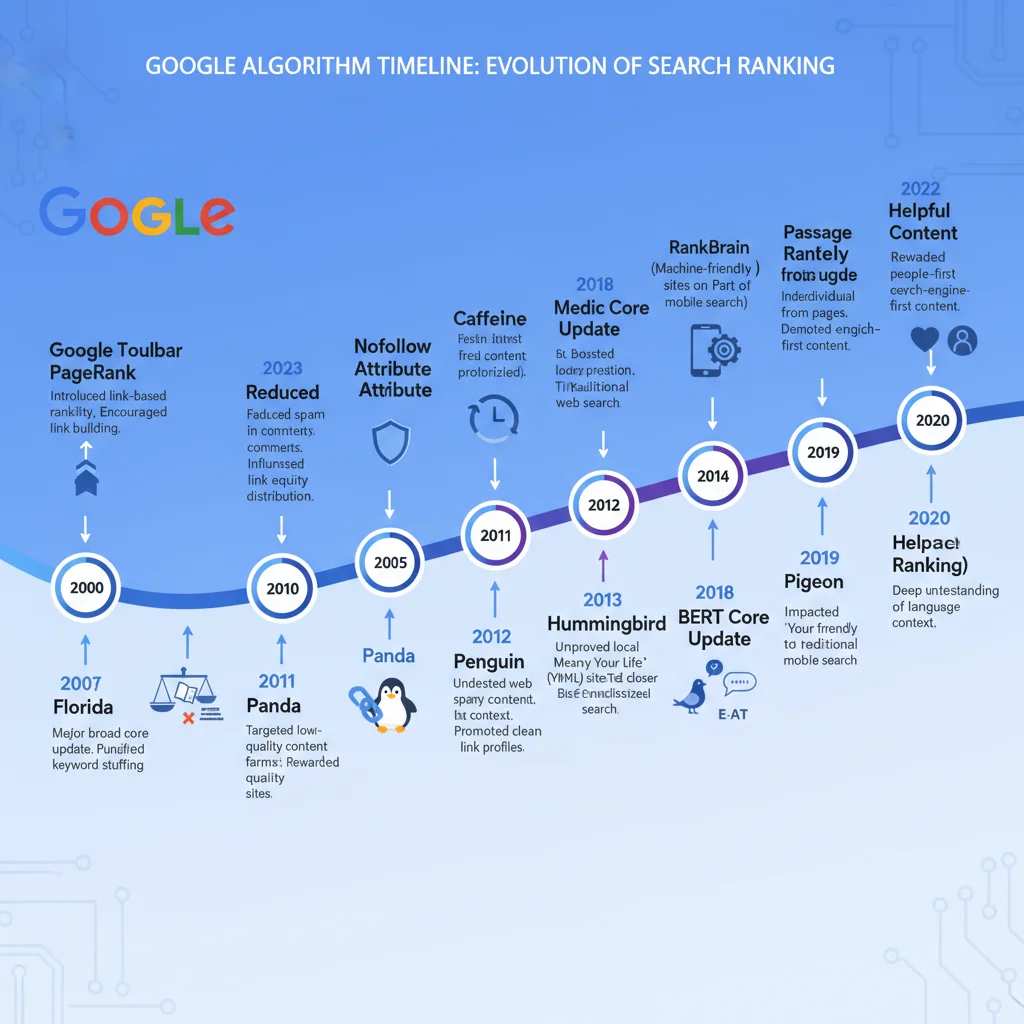
Search engines constantly evolve their ranking algorithms, and strategies that worked yesterday might harm your site today. Staying informed about updates helps you adapt quickly and maintain your competitive edge.
Follow reputable SEO news sources and join industry communities to stay current. When major updates roll out, analyse their impact on your traffic and rankings, then adjust your strategy accordingly.
Focus on fundamental best practices that remain constant: creating valuable content, providing excellent user experience, and building genuine authority. These principles weather algorithm changes better than tactical shortcuts.
Avoid common SEO mistakes that can set your progress back months. When in doubt, prioritise what benefits your customers – search engines increasingly reward sites that deliver genuine value.
Ready to Transform Your E-commerce SEO?
These nine strategies provide a solid foundation for e-commerce SEO success. Start with site structure and product page optimisation, then gradually implement the remaining tactics based on your priorities and resources.
Remember that SEO is a marathon, not a sprint. Consistent application of these principles will compound over time, driving more qualified traffic and higher conversion rates. Need help implementing these strategies? Our experienced team can accelerate your e-commerce SEO success.
How long does it take to see results from e-commerce SEO?
E-commerce SEO typically shows initial results within 3-6 months, with significant improvements visible after 6-12 months of consistent effort. Technical fixes like site speed may impact rankings within weeks, while content and link building strategies require more time to mature.
Should I optimise for product names or generic keywords?
Focus on both. Target specific product names for branded searches and generic keywords for discovery. Use product names in titles and descriptions while incorporating broader category keywords in your content strategy.
How many product pages should I optimise first?
Start with your best-selling or highest-margin products, then expand systematically. Optimising 20-50 key product pages thoroughly works better than half-optimising hundreds of pages.
Can duplicate product descriptions hurt my rankings?
Yes, duplicate content can prevent your pages from ranking well. Always write unique descriptions for each product, even if they’re similar items. Focus on different benefits, use cases, or technical specifications to differentiate them.
What’s the most important ranking factor for e-commerce sites?
While there’s no single most important factor, site structure and technical SEO form the foundation. Without proper crawlability and fast loading times, even great content won’t rank well. Focus on technical health first, then content and links.