
Amazon vs Google Shopping: Where Should Retailers Put Their PPC Budget in 2026?

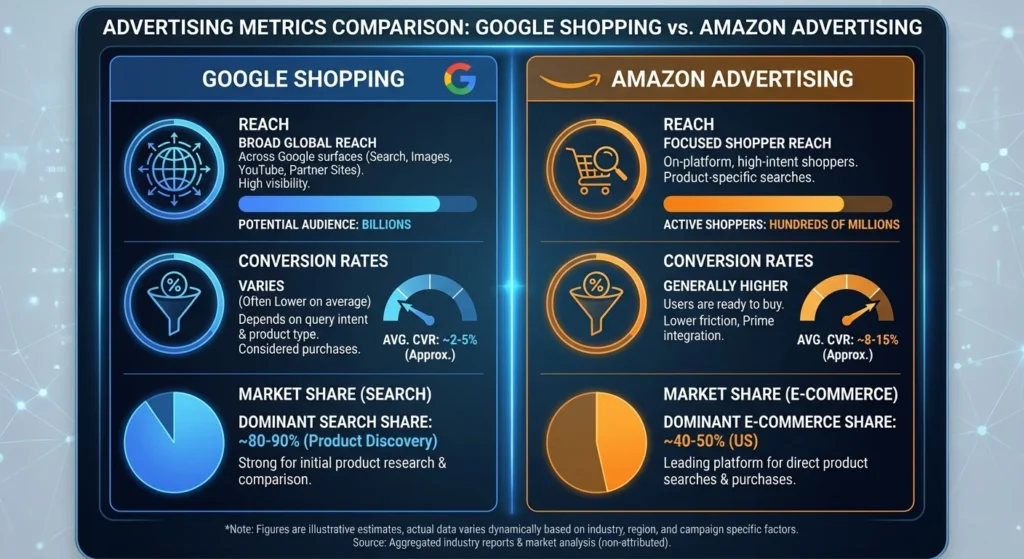
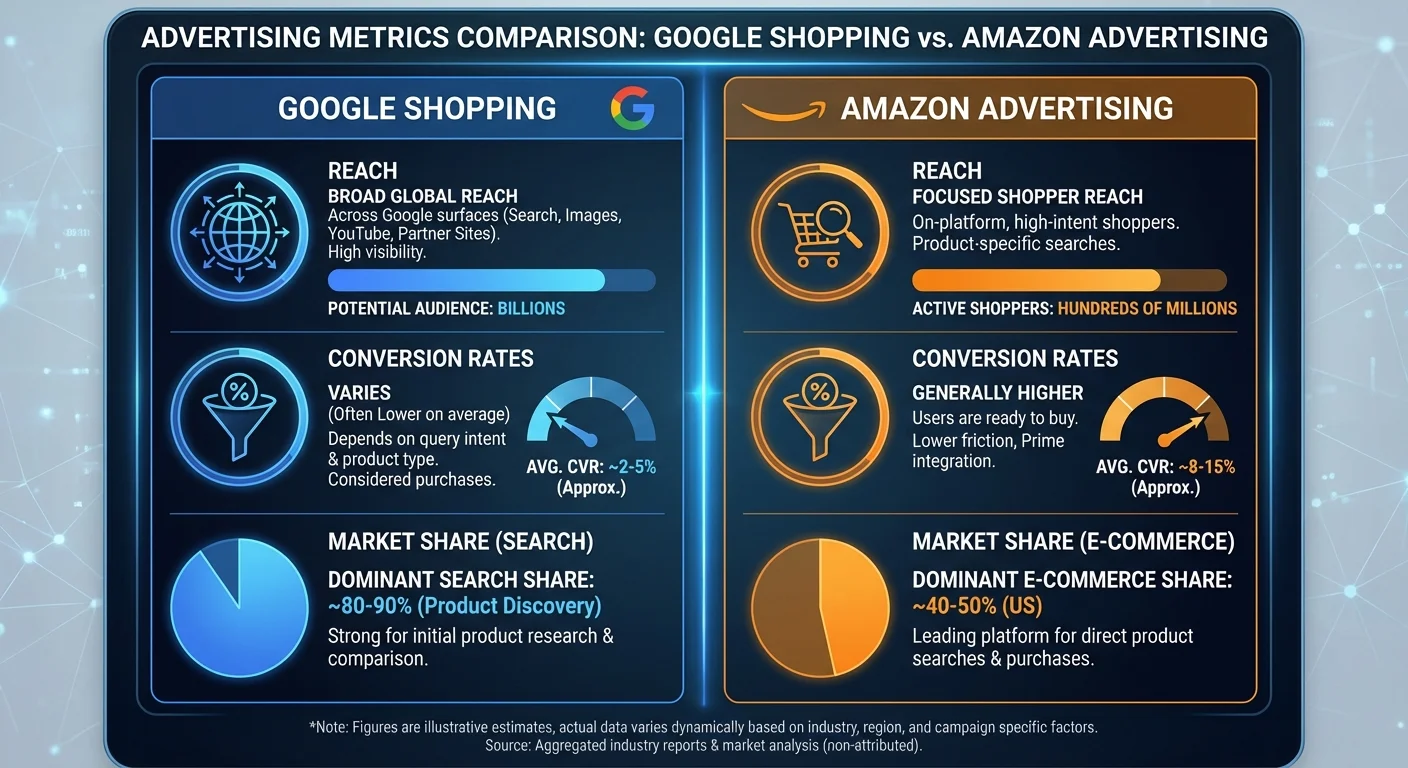
Deciding where to spend your PPC budget between Amazon and Google Shopping can make or break your ecommerce success. Both platforms drive serious sales, but they work in completely different ways. Google Shopping operates within the search engine ecosystem, while Amazon functions as a marketplace where customers complete their purchases.
The Australian market presents unique challenges. Amazon’s local launch in December 2017 didn’t quite meet expectations, with many citing limited product range and pricing issues. Meanwhile, Google Shopping continues to dominate with proven conversion strategies that Australian retailers know and trust.
Here’s the breakdown of where your advertising dollars will work hardest, based on real performance data and platform capabilities.
Understanding Google Shopping’s Advantage
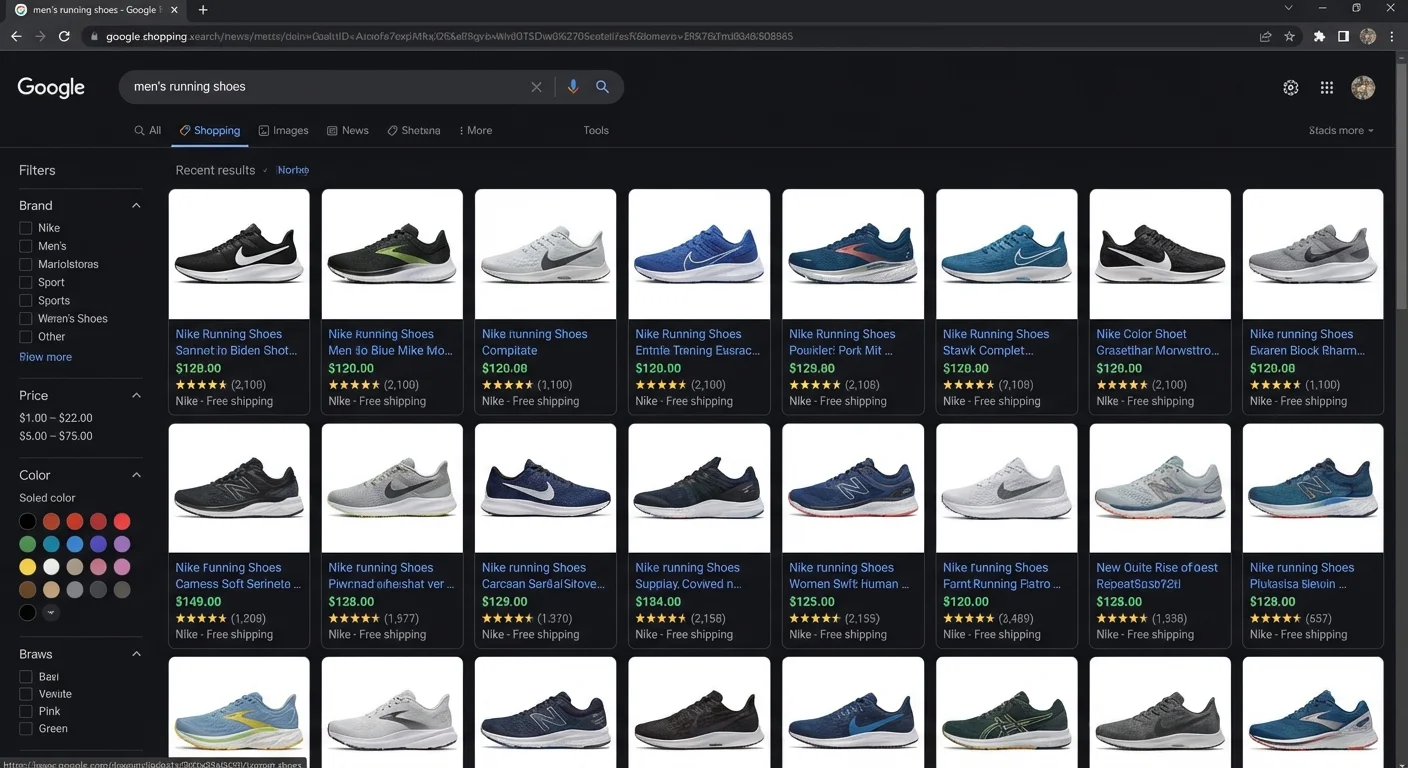
Google Shopping transforms how retailers display products in search results. Unlike standard text ads, Shopping ads show product images, prices, ratings and store information directly in Google’s search results. This visual approach delivers higher click-through rates because users see exactly what they’re buying before clicking.
The platform connects to your Merchant Centre feed, automatically matching your products to relevant search queries. When someone searches for “blue running shoes”, Google shows your blue running shoes if they match the search intent. No manual keyword bidding required for basic product matching.
How Google Shopping Displays Your Products
Google Shopping ads appear in three main areas:
- Main search results – Visual product grids above organic listings
- Shopping tab – Dedicated comparison shopping environment
- Image search – Product listings within Google Images
The Shopping tab provides powerful filtering options. Customers can sort by price, brand, ratings, and specific product features. This comparison functionality helps qualified buyers find your products faster.
Retailers now allocate an average of 25% of their Google advertising budgets to Shopping campaigns. This shift reflects Shopping’s superior performance for product-based searches compared to traditional text ads.
Amazon’s Marketplace Approach
Amazon operates as a closed ecosystem. Customers search, compare and purchase without leaving the platform. This creates a different dynamic than Google Shopping, where clicks lead to your website.
Three seller types operate on Amazon:
- Amazon direct – Products sold and fulfilled by Amazon
- Vendors – Wholesale suppliers who sell inventory to Amazon
- Third-party sellers – Independent retailers using Amazon’s platform
Amazon’s Advertising Options
Amazon provides several advertising formats for sellers wanting increased visibility:
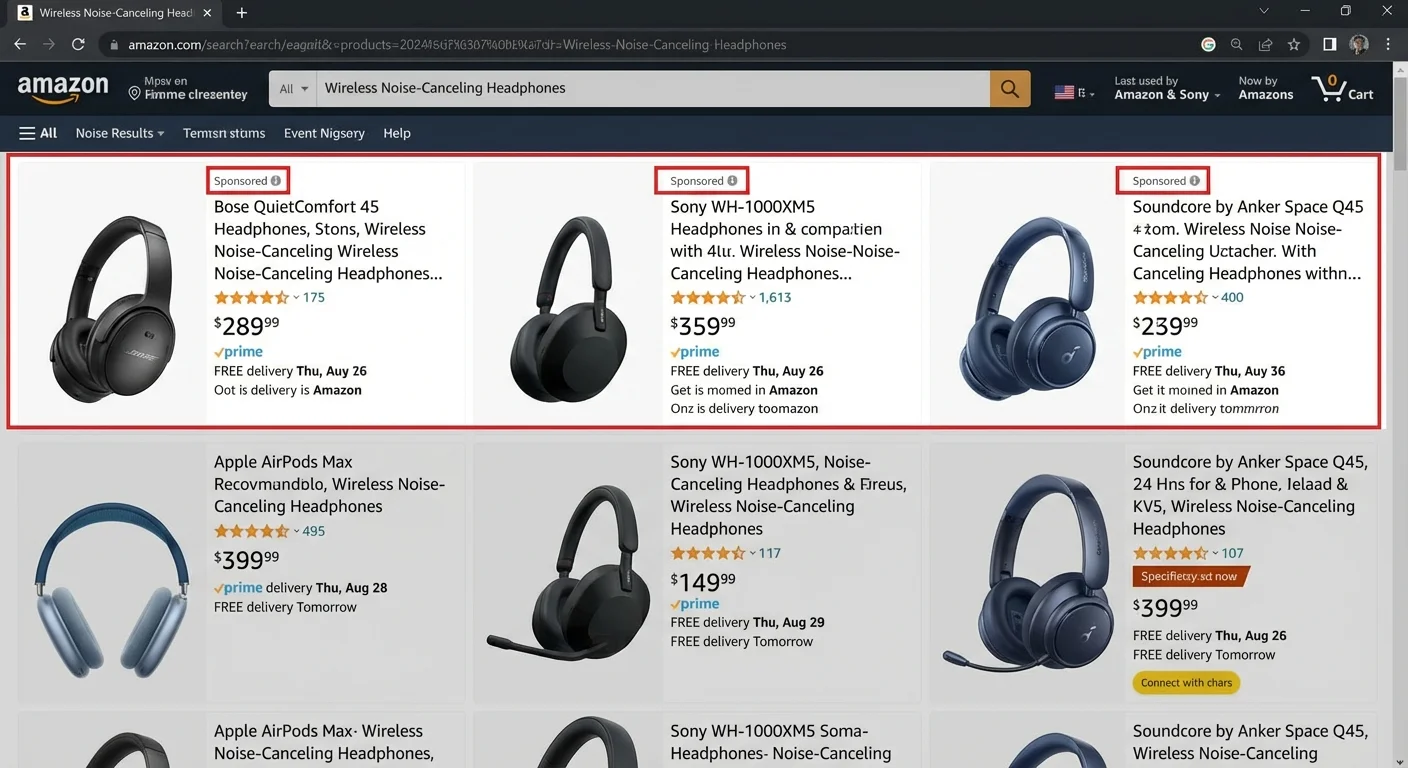
Sponsored Products
These ads appear within search results and on product detail pages. You bid on keywords just like Google Ads, but customers stay within Amazon’s ecosystem. Sponsored Products help new sellers gain visibility and reviews, which improves organic ranking over time.
Headline Search Ads
Banner-style ads appearing above search results. These ads can feature multiple products and require a minimum $100 campaign budget. They’re ideal for brand awareness and promoting product ranges rather than individual items.
Product Display Ads
Interest-based targeting rather than keyword targeting. These ads appear on product pages, customer review pages, and in Amazon’s marketing emails. They work well for reaching customers browsing related products.
Why Amazon Appeals to Retailers
Amazon’s marketplace model offers distinct advantages that explain its growing advertiser adoption:
Trusted Buying Environment
Customers trust Amazon’s checkout process, shipping and returns policy. This trust transfers to your products, reducing the friction that unknown websites often create. Amazon’s one-click purchasing removes barriers that might prevent conversions on your own site.
High Purchase Intent
Recent data shows 50% of product searches now start on Amazon rather than Google. This represents a significant shift in consumer behaviour. People increasingly view Amazon as their primary product discovery platform, not just a place to buy.
Lower Competition (For Now)
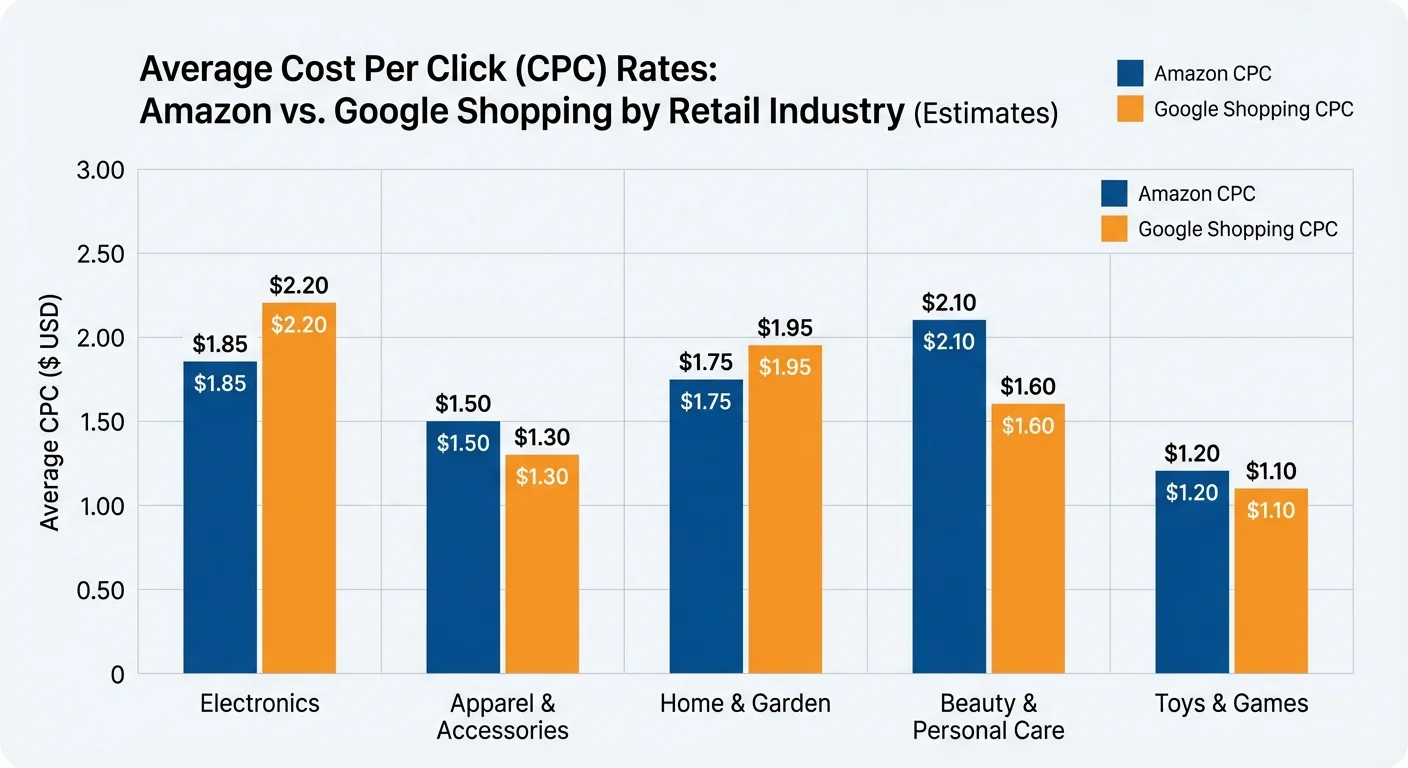
Amazon’s advertising platform remains less saturated than Google Ads. Cost-per-click rates in competitive industries often stay below $0.35, compared to much higher rates on Google. This pricing advantage won’t last as more advertisers join the platform.
Purchase History Data
Amazon knows what customers actually buy, return and repurchase. This behavioural data creates more accurate targeting than demographics or search history alone. Amazon can identify customers likely to buy your product based on their purchasing patterns.
Google Shopping’s Competitive Strengths
Google Shopping maintains several key advantages that keep it ahead in the advertising race:
Global Reach and Market Share
Google Shopping operates in over 30 countries compared to Amazon’s limited geographic presence. Google processes over one trillion searches annually with 90% mobile market share and 80% desktop market share. This reach dwarfs Amazon’s 300 million user base.
Platform Maturity
Google Ads launched in 2000 versus Amazon’s 2012 advertising start. This experience shows in sophisticated bidding options, audience targeting, and campaign optimisation features. Google’s platform handles complex multi-channel attribution that Amazon can’t match.
Brand Ownership
Google Shopping drives traffic to your website where you control the customer experience. You can implement remarketing, build email lists, and create return customers. Amazon keeps customer data and relationships within their ecosystem.
No Commission Structure
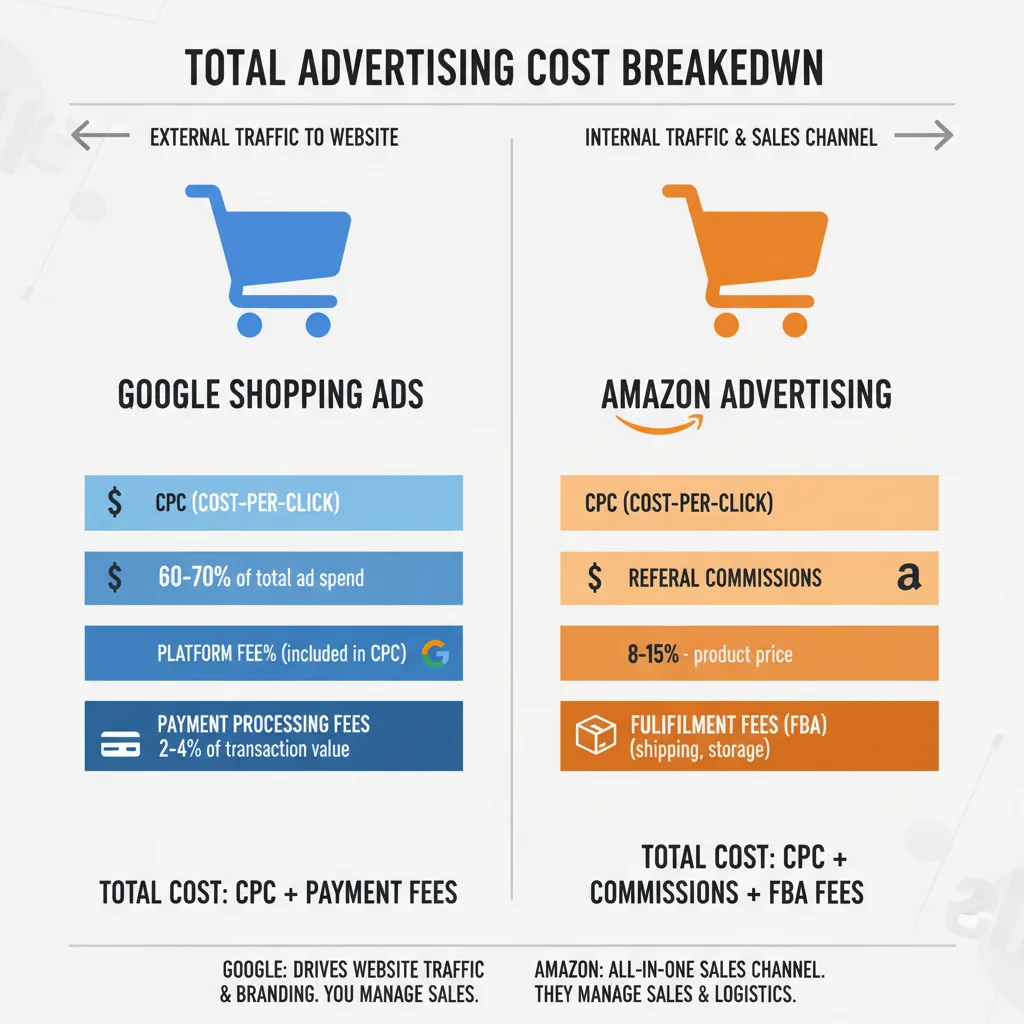
Google charges per click only. Amazon charges per click plus sales commissions plus monthly seller fees. For high-value products, Amazon’s fee structure can significantly impact profitability.
The Australian Market Reality
Amazon Australia’s performance lags behind expectations set by its success in other markets. The platform launched with limited product selection, pricing that didn’t always beat local retailers, and slower delivery times than promised.
Australian consumers haven’t adopted Amazon at the same rate as American or European customers. Google Shopping maintains dominant market share for product discovery and comparison shopping. Local retailers report significantly better ROI from Google Shopping campaigns compared to Amazon advertising.
This situation could change as Amazon expands its Australian operations, but current performance data favours Google Shopping for Australian digital marketing strategies.
Budget Allocation Strategy
Your optimal platform choice depends on business size, product type, and market maturity:
Small to Medium Retailers
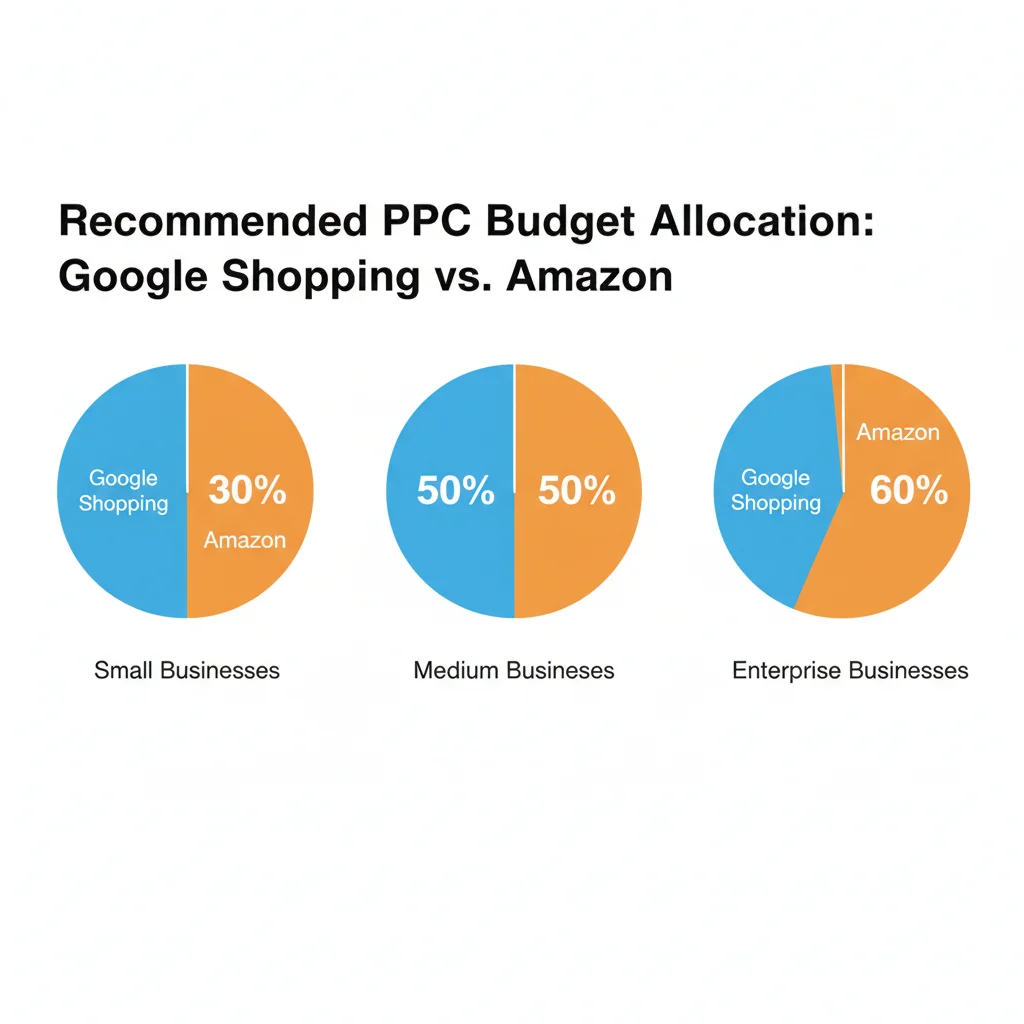
Start with Google Shopping. The platform offers broader reach, better brand control, and lower total costs. Master Google Shopping before expanding to Amazon. This approach builds sustainable traffic to your own website while testing product-market fit.
Large Retailers with Established Budgets
Run both platforms simultaneously. Allocate 70-80% to Google Shopping and 20-30% to Amazon initially. Monitor performance metrics and adjust based on cost per acquisition and lifetime customer value data.
New Market Testing
In markets where Amazon recently launched, consider small test budgets while competition remains low. However, don’t sacrifice proven Google Shopping performance for unproven Amazon potential.
Performance Tracking and Optimisation
Success on either platform requires consistent monitoring and adjustment. Key metrics differ between Google Shopping and Amazon:
Google Shopping Metrics:
- Cost per click and conversion rate
- Shopping impression share
- Product feed approval rate
- Return on ad spend (ROAS)
- Customer lifetime value
Amazon Metrics:
- Advertising cost of sale (ACoS)
- Organic ranking improvement
- Review generation rate
- Total advertising cost of sale (TACoS)
- Share of voice for target keywords
Regular testing and refinement determine long-term success on both platforms. Track the right metrics to make informed budget allocation decisions.
The Verdict: Google Shopping Wins for Most Retailers
Google Shopping remains the better choice for most Australian retailers, particularly those with limited PPC budgets. The platform offers:
- Broader audience reach and market penetration
- Lower total advertising costs
- Better brand control and customer ownership
- More sophisticated targeting and optimisation options
- Stronger performance in the Australian market
Amazon advertising works best as a secondary channel after you’ve maximised Google Shopping performance. The exception is retailers in highly established Amazon markets like the US and UK, where Amazon’s user base and purchase intent justify larger budget allocations.
Start with Google Shopping, master the platform, then expand to Amazon with dedicated budget and resources. This approach maximises your chances of PPC success while building a sustainable customer acquisition strategy.
Ready to optimise your Google Shopping campaigns? Check out our conversion optimisation guide for actionable strategies that drive results.
Frequently Asked Questions
Should I choose Google Shopping or Amazon for my PPC budget?
For most Australian retailers, Google Shopping provides better ROI due to broader reach, lower costs, and stronger local market performance. Start with Google Shopping before expanding to Amazon.
What’s the main difference between Google Shopping and Amazon ads?
Google Shopping drives traffic to your website where customers complete purchases, while Amazon ads keep customers within Amazon’s marketplace ecosystem throughout the buying process.
Is Amazon advertising cheaper than Google Shopping?
Amazon has lower cost-per-click rates, but total costs include sales commissions and monthly seller fees. Google Shopping typically offers better overall value for Australian retailers.
How should I split my budget between Google Shopping and Amazon?
Small to medium retailers should focus 100% on Google Shopping initially. Large retailers can allocate 70-80% to Google Shopping and 20-30% to Amazon for testing.
Why hasn’t Amazon advertising worked as well in Australia?
Amazon Australia launched with limited product selection, less competitive pricing, and slower adoption rates compared to Google Shopping’s established market presence.