
Have You Lost Your Google Rankings? Follow These Steps to Recover

You’ve finally cracked it. Your website sits proudly on Google’s first page for those money keywords. Traffic flows like a river, sales are booming, and you’ve had to bring on extra staff just to handle the growth.
Then one morning you wake up and your site has vanished from Google. Gone. Disappeared into the digital void.
What just happened? Most likely, you’ve been hit by a Google algorithm update. The good news? This isn’t permanent. We’ve helped dozens of Australian businesses recover from ranking penalties, and we’ll show you exactly how to get back on track.
Why Google Rankings Suddenly Drop
Google constantly updates its algorithm to deliver better search results. These updates reward quality websites but punish those using dodgy tactics. If your rankings have tanked, you’ve likely been caught by one of these practices:
For more detail, see our guide on future-proofing your site against algorithm changes.
- Scraping or copying content from other sites
- Keyword stuffing your pages with irrelevant terms
- Building links with automated spam tools
- Buying links from low-quality websites
- Having thin, low-value content across your site
The two major algorithm updates that catch most websites are Panda (targeting poor content) and Penguin (targeting manipulative link building). Understanding which one hit you is the first step to recovery.
At PWD Digital Agency, we’ve seen businesses lose 80% of their organic traffic overnight. But we’ve also seen them recover stronger than before by following the right process.
Step 1: Conduct a Complete Content Audit
Even a handful of poor-quality pages can drag your entire site down. That’s why your first job is auditing every single page on your website.
Create a spreadsheet and document these elements for each page:
- Page title and URL
- Target keyword
- Meta description
- Word count
- Bounce rate and traffic data
- Content quality rating (poor, average, good, excellent)
- Duplicate content issues
What Makes Content Low Quality?
Google considers content low quality if it’s:
- Under 300 words with little useful information
- Copied from other websites
- Stuffed with keywords unnaturally
- Outdated and no longer relevant
- Full of spelling and grammar errors
- Focused on selling rather than helping users
Once you’ve identified problematic pages, you have three options: delete them, redirect them to better pages, or completely rewrite them. Our guide to optimising blog posts for SEO shows you how to create content that Google actually wants to rank.
Step 2: Audit and Clean Your Link Profile
Spammy backlinks are one of the fastest ways to get penalised. If you’ve been buying links or using automated link-building tools, those toxic links are likely dragging you down.
Use a tool like Ahrefs, SEMrush, or Google Search Console to export all your backlinks. Then manually review each linking domain for these red flags:
- Sites in foreign languages unrelated to your business
- Pages with hundreds of outbound links
- Adult, gambling, or pharmaceutical websites (unless relevant)
- Sites with obvious spam content
- Link networks or private blog networks (PBNs)
- Sites that look abandoned or hacked
How to Remove Toxic Links
For each toxic link, try contacting the website owner to request removal. Most won’t respond, but some will. Keep records of your outreach efforts.
For links you can’t remove, use Google’s Disavow Tool. This tells Google to ignore specific links when evaluating your site. Be careful though – disavowing good links can hurt your rankings.
While cleaning up toxic links, start building quality ones. Our easy link building strategies guide shows you how to earn links the right way.
Step 3: Fix Technical SEO Issues
Algorithm penalties often reveal underlying technical problems that were holding your site back anyway. Use Google Search Console and tools like Screaming Frog to identify:
- Broken internal links and 404 errors
- Slow page loading speeds
- Mobile usability issues
- Duplicate title tags and meta descriptions
- Missing or poor XML sitemaps
- Crawl errors blocking Google’s access
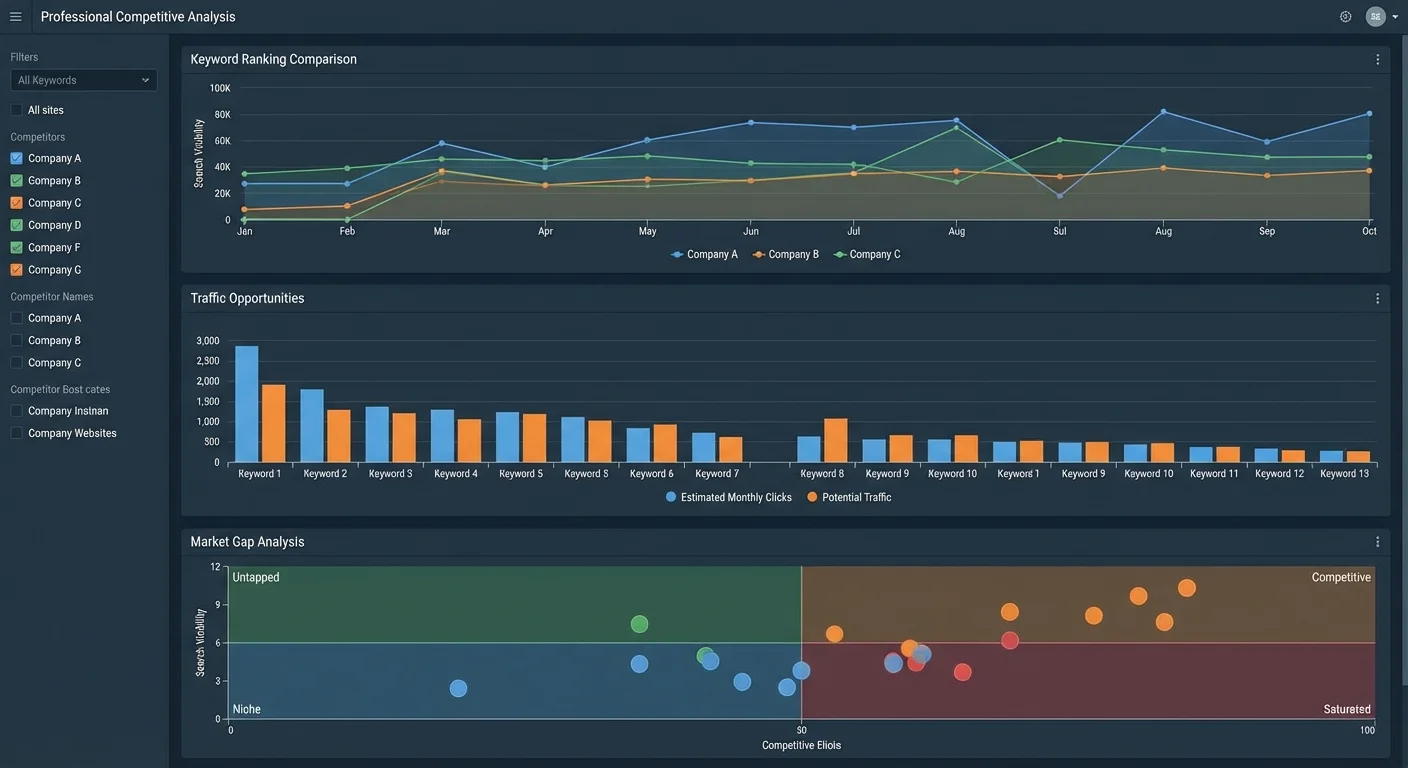
Our beginner’s guide to technical SEO walks you through fixing these issues step by step. Remember, Google wants to rank fast, user-friendly websites.
Step 4: Submit a Reconsideration Request
If you’ve received a manual penalty (you’ll see this in Google Search Console under “Manual Actions”), you can request a review once you’ve fixed the issues.
Your reconsideration request should:
- Acknowledge what went wrong
- Detail exactly what you’ve done to fix it
- Include evidence of your cleanup efforts
- Commit to following Google’s guidelines going forward
Be honest and thorough. Google’s reviewers can spot insincere requests from a mile away. If your first request gets rejected, don’t panic – many sites need multiple attempts before approval.
Step 5: Monitor and Prevent Future Penalties
Recovery takes time. Don’t expect your rankings to bounce back overnight. We typically see movement within 2-6 months, depending on the severity of the penalty and quality of the fixes.
While you wait, focus on creating genuinely helpful content and earning quality backlinks. Avoid these common SEO mistakes that could trigger future penalties.
Set Up Monitoring Systems
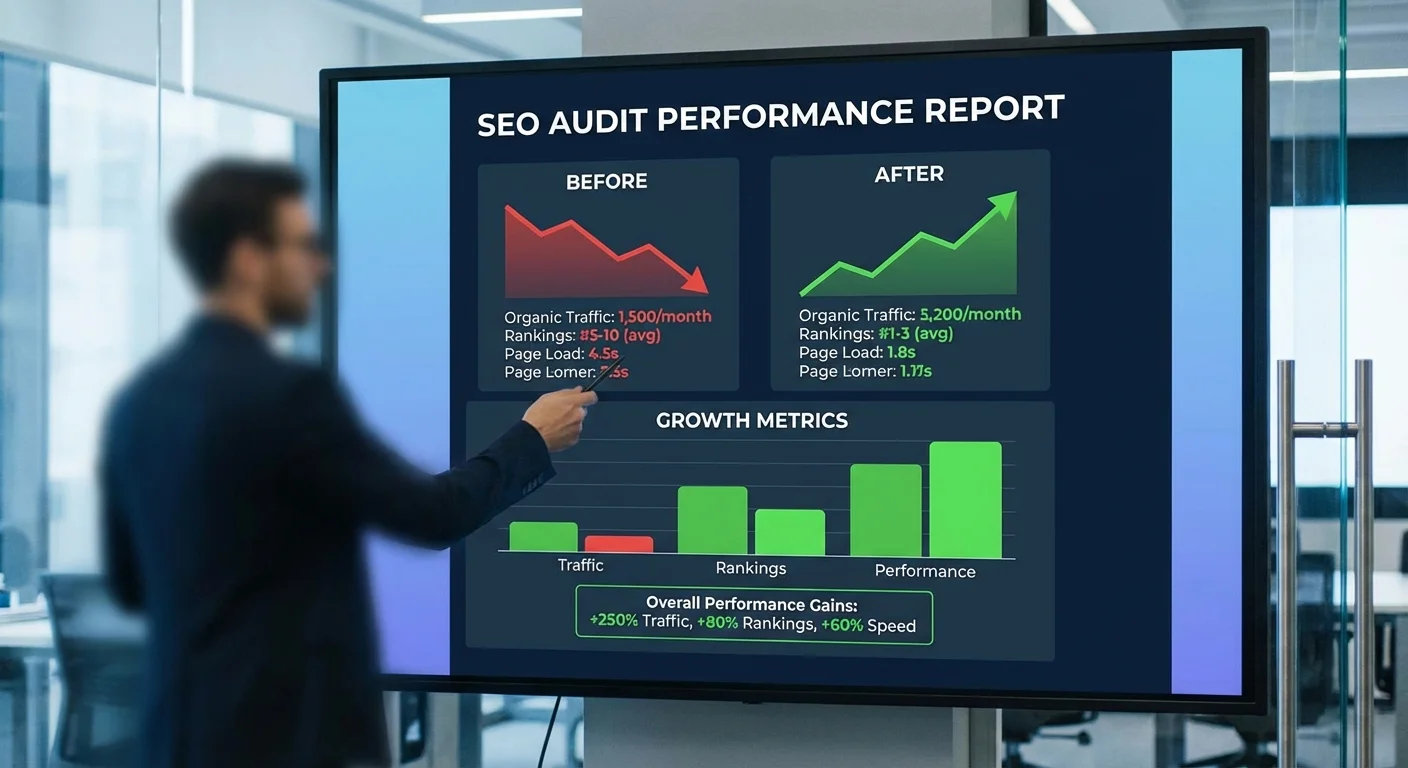
Track these essential SEO KPIs to catch future issues early:
- Organic traffic trends
- Keyword ranking positions
- Crawl error notifications
- New backlink alerts
- Page speed scores
- Core Web Vitals metrics
What to Do While You Recover
Don’t put all your marketing eggs in the SEO basket. While working on your penalty recovery, diversify your traffic sources:
- Ramp up your Google Ads campaigns
- Increase your social media marketing efforts
- Focus on email marketing to your existing list
- Partner with other businesses for referrals
- Create valuable content that people want to share
Our guide to digital marketing types shows you how to build a more resilient marketing strategy that doesn’t rely solely on organic search.
When to Get Professional Help
Some penalty recoveries are straightforward – remove some spammy content, disavow bad links, and wait. Others require deep technical expertise and months of careful work.
Consider getting professional help if:
- You’re not sure which penalty hit your site
- Your traffic dropped more than 50%
- You’ve tried DIY recovery for 6+ months without success
- Your business depends heavily on organic traffic
- You lack the time or skills for a thorough audit
At PWD Digital Agency, we’ve successfully recovered sites from even the most severe penalties. Sometimes it’s worth investing in expert help to get back on track faster and avoid costly mistakes.
The Road Back to Page One
Recovering from a Google penalty isn’t fun, but it’s absolutely possible. Most sites that follow a systematic recovery process see their rankings return – often stronger than before because they’ve eliminated the issues that were holding them back.
Remember: Google wants to rank helpful, trustworthy websites. If you focus on creating genuine value for your users rather than gaming the system, you’ll build sustainable rankings that last.
The penalty might feel like a disaster now, but many of our clients look back on it as the wake-up call that forced them to build a better, more sustainable online presence.
Frequently Asked Questions
How long does it take to recover from a Google penalty?
Recovery time varies from 2-6 months for most penalties. Algorithm-based penalties (like Panda or Penguin) typically take longer to recover from than manual penalties, as you need to wait for Google to recrawl and re-evaluate your site.
Can I recover 100% of my lost rankings?
Many sites recover fully and even surpass their previous rankings after fixing penalty issues. However, recovery depends on the quality of your fixes, competition changes, and algorithm updates that occurred during your penalty period.
How do I know if I’ve been hit by an algorithm update?
Check Google Search Console for manual actions first. If there are none, compare your traffic drop dates with known algorithm update dates. Sudden ranking drops across multiple keywords usually indicate an algorithmic penalty.
Should I disavow all low-quality backlinks?
Only disavow clearly spammy or toxic links. Disavowing decent-quality links can hurt your rankings. Focus on links from obvious spam sites, foreign language sites unrelated to your business, or known link networks.
What’s the difference between manual and algorithmic penalties?
Manual penalties are applied by human Google reviewers and appear in Google Search Console under Manual Actions. Algorithmic penalties are automatic and result from algorithm updates like Panda or Penguin – these don’t show manual action notifications.