

Local Keyword Research: 3 Easy Steps to Attract More Customers

Hello there! So, if you are reading this, I have a quick question for you!
Have you ever looked for a “coffee shop near me” and found exactly what you were looking for? That’s the magic of local keyword research-a strategy that helps businesses like yours pop up in those important local searches. Interesting, right?
So, we focus on uncovering the local keywords that people in your area are actually typing into search engines.
But why does it matter?
Alright, let’s take a closer look at how it can make a difference for your business!
What is Local Keyword Research and Why is It Important?

Local keyword research is the process of identifying the specific words and phrases people in your area use when searching for products or services like yours.
Why should you care? Well, if you want your business to show up when someone nearby is searching for your products or services, focusing on local SEO keywords is the key.
It’s how you make sure your business is front and centre when people are looking to buy, visit, or call – right where you’re located. It’s as simple as that!
Now, let’s discover how our team picks the right local keywords!
local keyword research” width=”1024″ height=”576″ />
Step 1: Find the Right Local Keywords

Alright, now that we know what local keyword research is, let’s get into how to do research for local SEO secrets and how our team actually finds them.
Use Keyword Tools
First, our specialists start by using free keyword tools to gather valuable insights. Tools like Ahrefs help us discover what your potential customers are searching for.

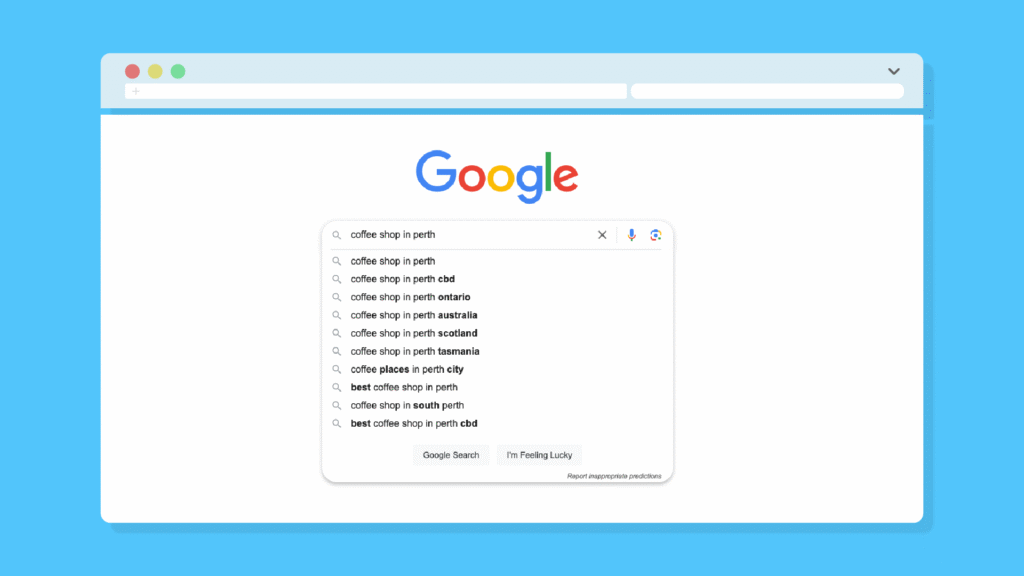
We also do it manually by checking search results (SERP) to see what ranks at the top.
 local keyword research” width=”1024″ height=”576″ />
Here, you can see an example of how to manually check search results (SERP).
This helps us understand the type of content Google favours and identify the best keywords to target.
Check What People Search for in Your Area
The next step is all about your location. If you’re offering digital marketing in Perth, for example, we’ll search for phrases like “digital marketing agencies in Perth” or “SEO services Perth.”
Our specialists also look for related phrases that potential clients might be using, like “best marketing agencies in Perth” or “affordable SEO services in Perth.”
So, by researching local keywords, we ensure your website ranks for the specific terms your potential customers are using in your area.
Study Competitor Keywords
But that’s not all! Our team doesn’t just stop there – our team takes it a step further by using Ahrefs to keep an eye on your competitors. We analyse their keyword strategies and backlink profiles to spot gaps and find opportunities for you to take advantage of. These tactics to outrank competitors help us position your business ahead of the competition by targeting high-value local keywords that drive relevant traffic.
This allows us to place you ahead of the competition, targeting high-value local keywords that drive relevant traffic.
Step 2: Organise Keywords
 local keyword research” width=”947″ height=”479″ />
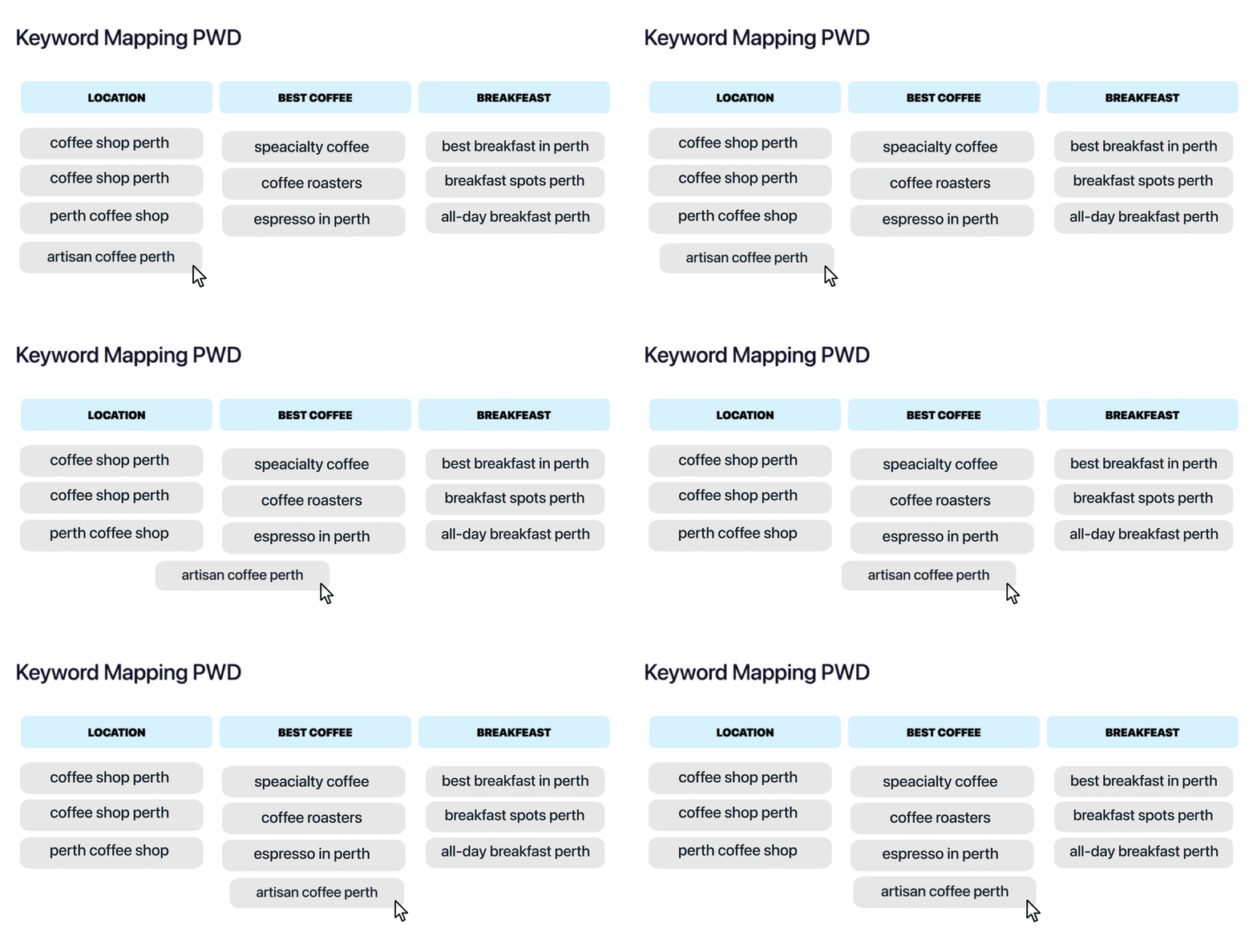
After finding the right keywords through local keyword research, our team organises them. This step helps search engines understand your content better and improves your chances of ranking higher. Here’s how to do it:
Group Keywords by Topic
We don’t just list random keywords – we group them by topic. This makes it easier to create focused content that answers what customers are searching for.
For example, if we’re working on a restaurant website, we’ll separate keywords like “best Italian food in Perth” from “pizza near me” to make sure each page targets the right audience.
Match Keywords to the Right Pages
Once keyword groups are ready, they’re matched to the right pages on your website. Our team ensures that each page has a clear purpose, whether it’s your homepage, a service page, or a blog post.
This way, when someone searches for a specific term, they land on the most relevant page.
Avoid Using the Same Keyword on Many Pages
One common mistake is using the same keyword across numerous pages. We carefully avoid this to prevent keyword cannibalization, which confuses search engines. Instead, we assign unique keywords to different pages so they don’t compete against each other.
This helps all pages rank properly without reducing their chances of appearing in search results.
Step 3: Use Keywords to Improve Your Content

Finding and organising keywords is just the beginning. Now, our team makes sure these keywords are used the right way in your content.
Here’s how to do it:
Add Keywords in Titles and Headings
Titles and headings are important for both search engines and readers. Our content team carefully places keywords in these spots to grab attention and improve rankings. For example, instead of just writing “Best Restaurants,” we optimise it to “Best Restaurants in Perth for Fine Dining.”
So, this small change makes a big difference in how your page ranks.
Use Keywords Naturally in Text
Stuffing too many keywords into a page can make it sound unnatural, right?
That’s why our team focuses on placing them where they fit naturally. That’s why, our content team writes content that flows smoothly while including keywords in a way that makes sense.
To maintain a good balance, we keep the focus keyword at 1-2% of the total blog content.
Add Keywords in Meta Descriptions and URLs
So, meta descriptions and URLs are often overlooked, but they’re key to better rankings. We make sure every page has a clear, keyword-rich description that encourages people to click.
For example, instead of a generic URL like yourwebsite.com/page123, we optimise it to yourwebsite.com/seo-secrets-for-perth-businesses-making it more SEO-friendly.
Bonus Tips to Rank Higher
In addition to the main steps, our team uses a few extra tips to help you rank higher and attract more local customers. Here’s a “secret” we’re going to share with you:
Write Local Blog Posts
So, creating blog posts focused on local topics is a great way to connect with your audience and improve your SEO.
We write about events, trends, and news that are relevant to your community. Blog posts help search engines recognise your website as locally relevant and can drive more traffic from people searching for local information.
Always write blog posts for your website!
Get Listed on Local Directories
Being listed on local directories is another way to improve your local SEO. So, make sure your local business is listed in popular local directories like Yelp, Yellow Pages, and others.
This not only boosts your credibility but also gives your business more visibility in local search results.
Always get your business listed on local directories to improve trust!
Ask for Customer Reviews
Customer reviews are important for both trust and rankings. We encourage businesses to ask happy customers to leave positive reviews on Google and other review platforms.
So, our team helps set up easy ways to collect and respond to reviews, ensuring your business has a strong online reputation.
Always encourage satisfied customers to leave reviews!
Conclusion
To sum it up, local keyword research is a great way to help your business get noticed by more local customers. Our approach to how it works:
t
- Discover what people near you are searching for.
t
- Group them by topic to make your content stronger.
t
- Put keywords in titles, text, and descriptions to help your pages rank higher.
t
- Get listed on local directories and ask for customer reviews to build trust.
So, if you’re wondering how to do local keyword research or want to dive deeper into how we can help boost your local SEO, just let us know!
Feel free to reach out to us anytime! We’re here to assist you and make sure your business shines online.
Let’s get your business noticed!
FAQs About Local Keyword Research
How can local keyword research help my business?
It makes your business visible to people in your area who are searching for what you offer. By targeting the right local keywords, you can attract more customers nearby.
Should I use the same keyword across multiple pages?
Avoid it! Using the same keyword on different pages can confuse search engines.
Can I use local keywords for my e-commerce business?
Absolutely! Even if your business is online, using local keywords can help you target specific areas and attract customers from your location.
How often should I update my local keywords?
It’s a good idea to revisit and update your keywords every few months to stay relevant and ahead of the competition.