

The SEO Strategies That Still Work in 2026

Every year someone claims SEO is dead. They’re wrong. After running campaigns that deliver actual results since 2007, we can tell you SEO isn’t just alive—it’s more sophisticated than ever. The difference? What worked five years ago might tank your rankings today.
We’ve watched Google roll out countless algorithm updates, seen strategies rise and fall, and helped hundreds of Australian businesses maintain their search visibility through it all. Here’s what actually moves the needle in 2026, backed by real campaign data and tested across multiple industries.
The Old SEO Playbook Is Broken

Remember when you could stuff keywords into every paragraph and watch your rankings climb? Those days are long gone. Google’s AI can now understand context, intent, and quality better than most humans. We’ve seen sites lose 70% of their traffic overnight by clinging to outdated tactics.
The biggest casualties we’re seeing? Sites still trying to game the system with:
- Keyword density obsession (anything over 1-2% looks spammy now)
- Mass-produced AI content without human editing
- Link farms and PBN schemes
- Exact-match anchor text everywhere
- Thin content targeting every possible keyword variation
These aren’t just ineffective—they’re actively harmful. We recently audited a client who’d been following 2020-era advice and found Google had applied manual penalties to half their pages. It took six months to recover.
What Google Actually Rewards in 2026

Google’s gotten smarter about recognising genuine expertise. Their latest updates favour sites that demonstrate real-world experience and provide tangible value. This isn’t speculation—we’re seeing it play out across every client campaign.
Entity-Based SEO Dominates
Keywords matter less than entities now. Google understands relationships between concepts, not just words. When you write about “Melbourne cafes,” Google knows you’re talking about coffee culture, brunch spots, and local businesses—not just those two words.
We’ve shifted our approach entirely. Instead of targeting “best Melbourne cafes” as a keyword, we build content around the entity relationships: specific neighbourhoods, coffee roasting methods, chef profiles, and dining experiences. One hospitality client saw a 145% increase in organic traffic after restructuring their content this way.
Experience Signals Beat Everything
Google’s E-E-A-T (Experience, Expertise, Authoritativeness, Trustworthiness) isn’t just a guideline—it’s the foundation of modern SEO. Sites showing first-hand experience consistently outrank those regurgitating information.
Here’s what actually demonstrates experience:
- Original photography and videos
- Detailed case studies with real data
- Behind-the-scenes content
- Expert quotes from actual team members
- Specific examples and scenarios
We helped a B2B software company implement this approach. They replaced generic “benefits of CRM software” content with detailed implementation stories from their team. Result? 89% more qualified leads from organic search.

Technical SEO: The Non-Negotiables
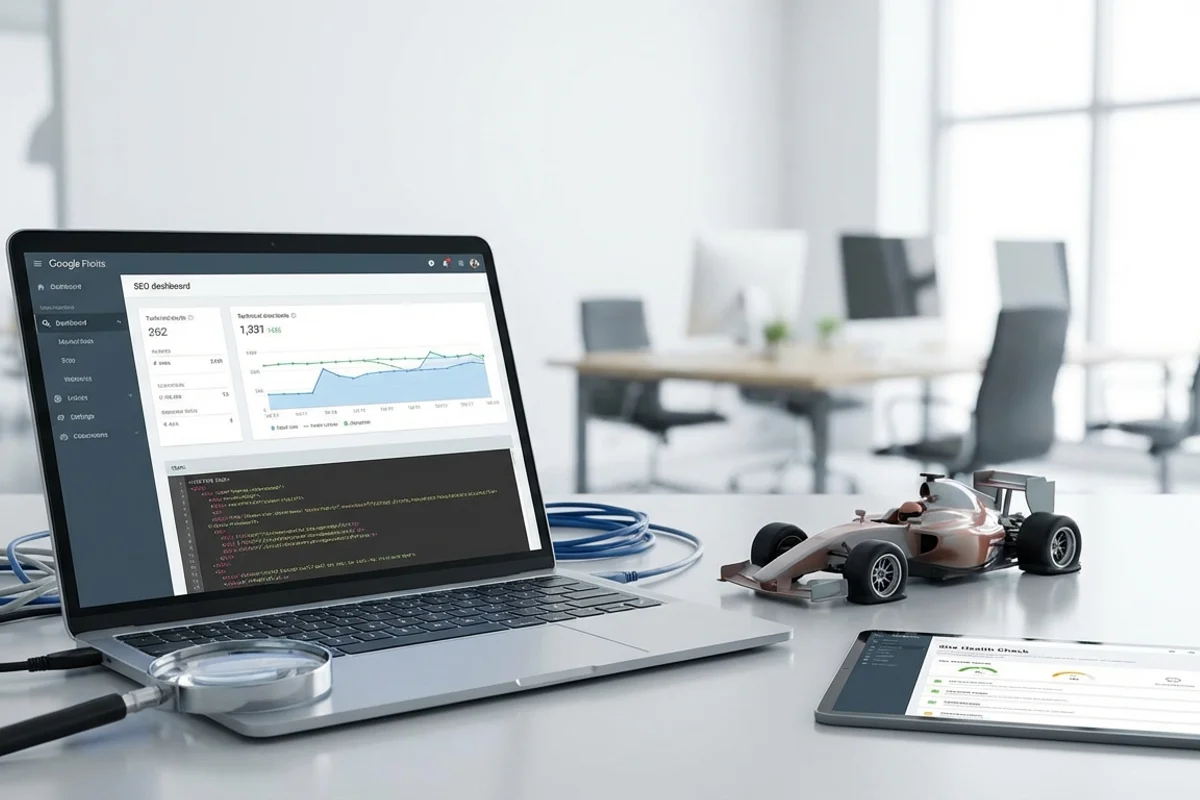
While content quality matters more than ever, technical foundations can’t be ignored. Poor technical SEO is like trying to win a race with flat tyres. Even the best content won’t rank if Google can’t properly crawl and understand your site.
Core Web Vitals remain critical. Sites failing LCP (Largest Contentful Paint) benchmarks see 22% fewer organic clicks on average. We’ve documented this across dozens of client sites. The threshold is strict: your main content must load within 2.5 seconds on mobile, or you’re leaving rankings on the table.
JavaScript rendering issues plague more sites than ever. We recently discovered a client’s React-based site wasn’t rendering crucial content for Googlebot. Their product pages looked perfect to users but appeared blank to search engines. Fixing this single issue increased their indexed pages by 400%.
For a complete technical foundation, check our guide on technical SEO basics. Many sites miss simple wins like proper schema markup and XML sitemap configuration.
Content Depth Beats Content Volume
Publishing frequency matters less than depth now. We’ve tested this extensively. One comprehensive 3,000-word guide typically outperforms ten 300-word posts targeting similar topics. Google rewards thoroughness.
But depth isn’t just word count. It’s about covering every angle users actually care about. We use a framework called “Query Satisfaction Mapping”:
- Identify all questions users have about a topic
- Structure content to answer them in logical order
- Add examples, data, and visuals for each point
- Include related topics users typically research next
This approach helped an ecommerce client dominate their category. Instead of creating separate pages for every product variation, they built comprehensive category guides. Organic revenue increased 231% year-over-year.
The New Rules for On-Page Optimisation
On-page SEO has evolved beyond title tags and meta descriptions. Modern optimisation focuses on user satisfaction signals:
- Semantic HTML: Proper heading hierarchy and structured data
- Internal linking: Context-rich links that genuinely help users
- Mixed media: Videos, images, and interactive elements
- Clear CTAs: Making next steps obvious increases engagement metrics
Avoid the common SEO mistakes that still plague most sites. Over-optimisation looks worse than under-optimisation to modern algorithms.
Link Building That Actually Works
Quality links remain a ranking factor, but the bar for “quality” has risen dramatically. Google can now identify and discount most manufactured links. We’ve seen entire link profiles wiped out by updates targeting artificial patterns.
What works: earning links through genuine value. Our most successful link building strategies focus on creating resources other sites want to reference:
- Original research and data studies
- Free tools and calculators
- Comprehensive industry guides
- Expert commentary on trending topics
One B2B client earned 147 high-authority links by publishing original survey data about their industry. No outreach needed—journalists and bloggers found and cited it naturally.
Measuring What Matters
Rankings alone don’t pay the bills. Modern SEO success requires tracking business outcomes, not vanity metrics. We focus on:
- Organic revenue/leads generated
- Cost per acquisition vs paid channels
- Customer lifetime value from organic traffic
- Brand search volume growth
Regular SEO audits help identify what’s actually driving results. We’ve seen too many businesses celebrate ranking #1 for terms that bring zero qualified traffic.
The Strategies Delivering Results Right Now
Based on current campaign data, these approaches consistently outperform:
1. Topic Cluster Architecture
Build content hubs around core business themes. Link related pieces strategically. This approach helped a finance client increase organic sessions by 324% in eight months.
2. Featured Snippet Optimisation
Structure content to win position zero. Use clear headings, lists, and tables. Answer questions directly in 40-50 word paragraphs.
3. Video SEO Integration
Embed relevant videos and optimise transcripts. Google increasingly shows video results for informational queries.
4. Local SEO Enhancement
Even non-local businesses benefit from location-specific content. Create pages targeting “service + location” combinations naturally.
Making SEO Work for Your Business
SEO success in 2026 comes from understanding what Google actually wants: sites that genuinely serve users. Forget the hacks and shortcuts. Focus on demonstrating real expertise and solving real problems.
Start with these actionable SEO tips and build from there. The businesses winning at SEO aren’t trying to trick algorithms—they’re creating the best possible experience for their audience.
Want to discuss how these strategies apply to your specific situation? Get in touch. Having been in this game since 2007, we know what works and what’s just noise.
Frequently Asked Questions
How long does it take to see results from modern SEO strategies?
Most sites see initial improvements within 3-4 months, but significant results typically take 6-12 months. It depends on your competition and how outdated your current approach is.
Is AI content completely dead for SEO now?
Not dead, but it needs heavy human editing and real expertise added. Pure AI content gets flagged quickly. We use AI for drafts, then add original insights and data.
What’s the minimum budget needed for effective SEO in 2026?
Quality SEO starts around $2-3K monthly for small businesses. Cheaper options often use outdated tactics that’ll hurt more than help. Think of it as an investment, not an expense.
Can I fix SEO penalties myself or do I need an agency?
Simple issues you might handle yourself, but manual penalties need expertise. We’ve seen DIY attempts make things worse. Recovery typically takes 3-6 months with proper help.