
What You Need to Know About Google’s Page Experience Signals in 2026

Google’s Page Experience update changed how search rankings work forever. This algorithm update measures user experience directly and uses it as a ranking signal. Sites with poor user experience now face significant ranking drops, while those optimised for Core Web Vitals and other page experience metrics see improved visibility.
The update affects every website in search results, making it essential for business owners to understand what Google measures and how to improve their scores. Based on Google research, users prefer sites with excellent page experience, and the algorithm now reflects this preference in rankings.
Here’s what you need to know about the Page Experience update and how to optimise your website for better rankings.
Understanding Google’s Page Experience Algorithm
The Page Experience update measures how users interact with your website beyond just content quality. Google’s algorithm now evaluates loading performance, interactivity, visual stability, and security as ranking factors.
These metrics combine with other performance signals to determine search rankings. The update rolled out gradually from mid-June 2021, reaching full implementation by August 2021. Google continues adding new page experience signals annually to match evolving user expectations.
Google developers confirm that exceptional content still ranks highly even with poor user experience. However, when multiple pages offer similar content quality, page experience becomes the deciding factor for rankings.
Core Web Vitals: The Foundation of Page Experience
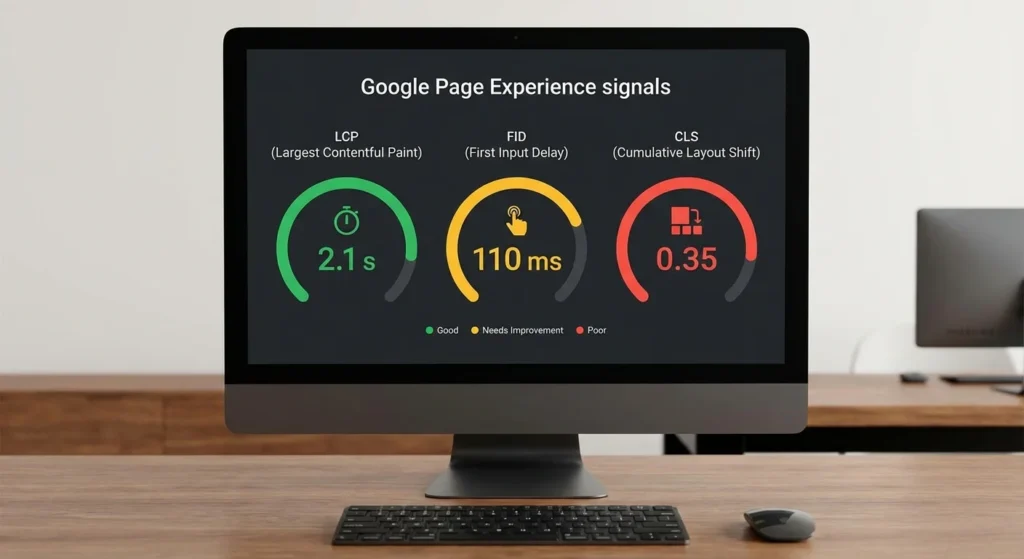
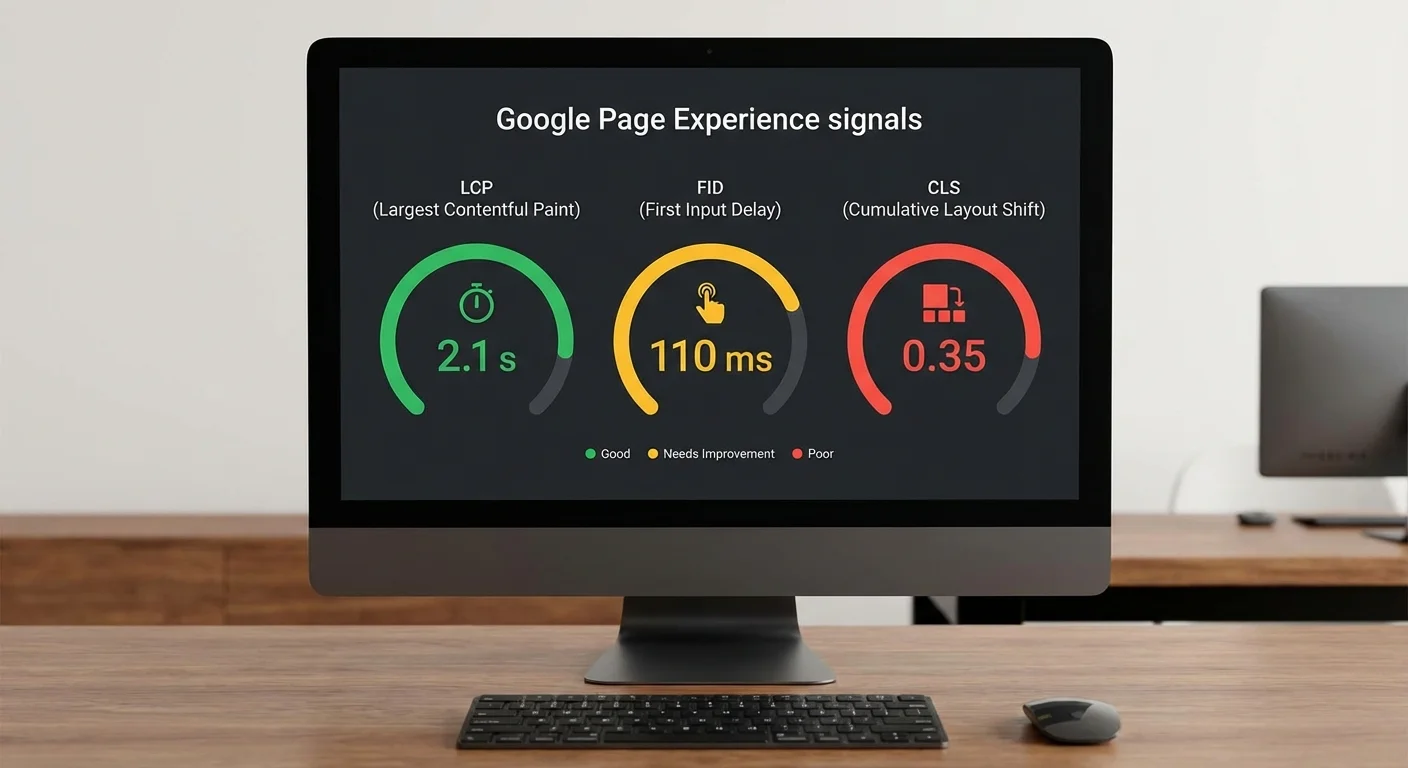
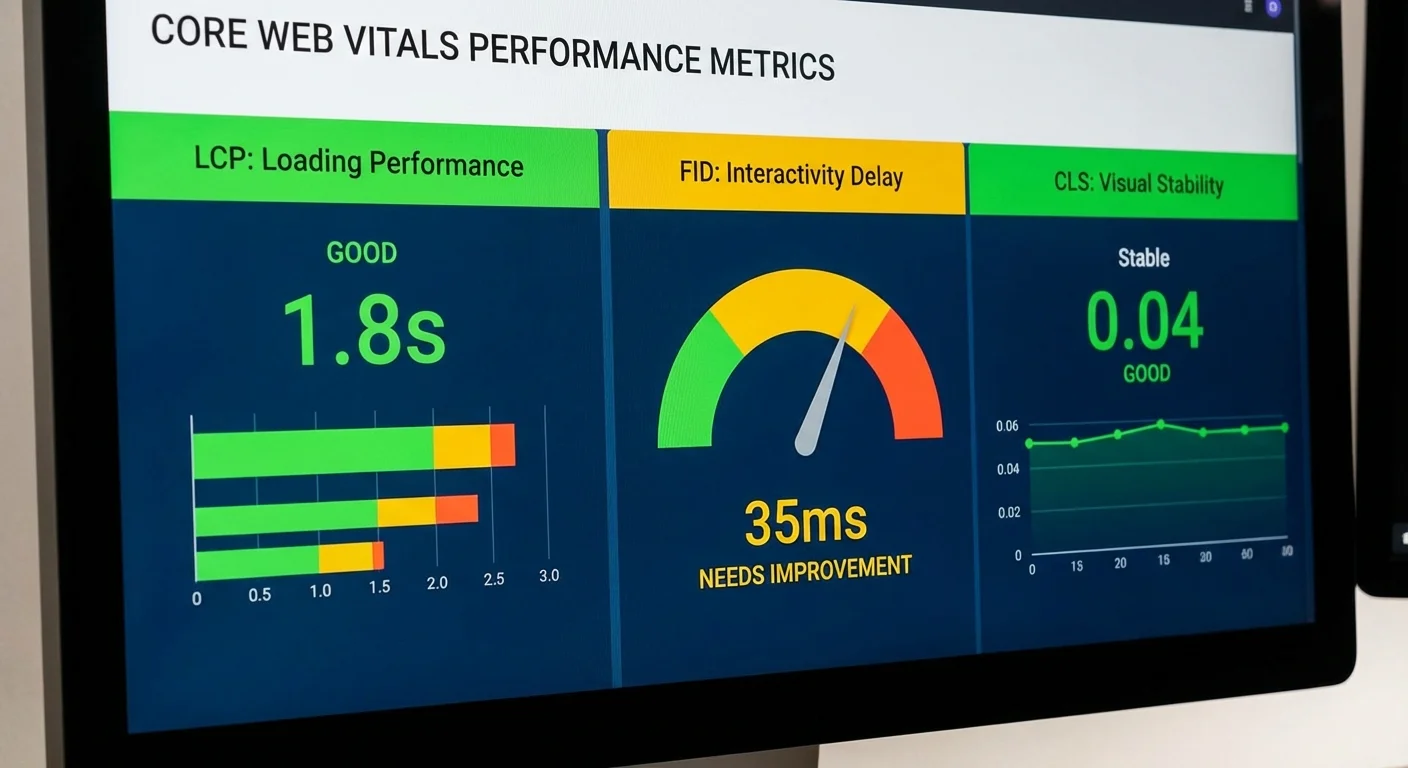
Core Web Vitals form the backbone of Google’s page experience measurement. These user-centred metrics evaluate real-world website performance across three critical areas.
Largest Contentful Paint (LCP)
LCP measures loading performance by tracking when the main content becomes ready for interaction. This includes block-level text, large images, or video elements that users came to see.
Google requires LCP to occur within 2.5 seconds of page load start for good user experience. Anything over 4 seconds receives poor scoring. Most users abandon pages that take longer than 3 seconds to load, making LCP directly impact conversion rates.
First Input Delay (FID)
FID measures interactivity by calculating the delay between user action and browser response. This covers clicking buttons, tapping links, or using form fields.
Pages need FID scores of 100 milliseconds or less for good user experience. Higher delays frustrate users and increase bounce rates. Website speed directly affects user behaviour, making FID optimisation essential for business success.
Cumulative Layout Shift (CLS)
CLS measures visual stability by tracking unexpected layout movements as content loads. This prevents the frustrating experience of clicking one element only to hit another because content shifted.
Pages should maintain CLS scores of 0.1 or less. Higher scores indicate unstable layouts that harm user experience. Common causes include images without dimensions, dynamically injected content, and web fonts that cause text to shift.
Mobile-Friendly Design Requirements
Mobile friendliness became a ranking factor with Google’s mobile-first indexing in 2016. The Page Experience update reinforces this requirement by heavily weighting mobile performance.
Mobile traffic represents 54.8% of global web usage as of 2021. With 3.8 billion smartphone users worldwide, mobile optimisation isn’t optional—it’s essential for search visibility.
Test your mobile performance using Google’s Mobile-Friendly Test Tool. Poor mobile scores now significantly impact rankings across all devices due to mobile-first indexing.
Essential mobile optimisations include responsive design that adapts to all screen sizes, fast loading times (improving load time by 0.1 seconds can boost conversion rates by 8%), and content parity between desktop and mobile versions.
Professional website design services ensure mobile optimisation meets Google’s standards while maintaining excellent user experience across devices.
Security and HTTPS Implementation
Google’s Safe Browsing system identifies security threats and alerts users to potential dangers. Any security issues detected through Google Search Console disqualify all website URLs from “Good” status in the Page Experience report.
Security problems include malware infections, harmful downloads, deceptive pages, hacked content, and social engineering attempts. Website owners must resolve all security issues across their entire site to restore good standing.
HTTPS as a Ranking Signal
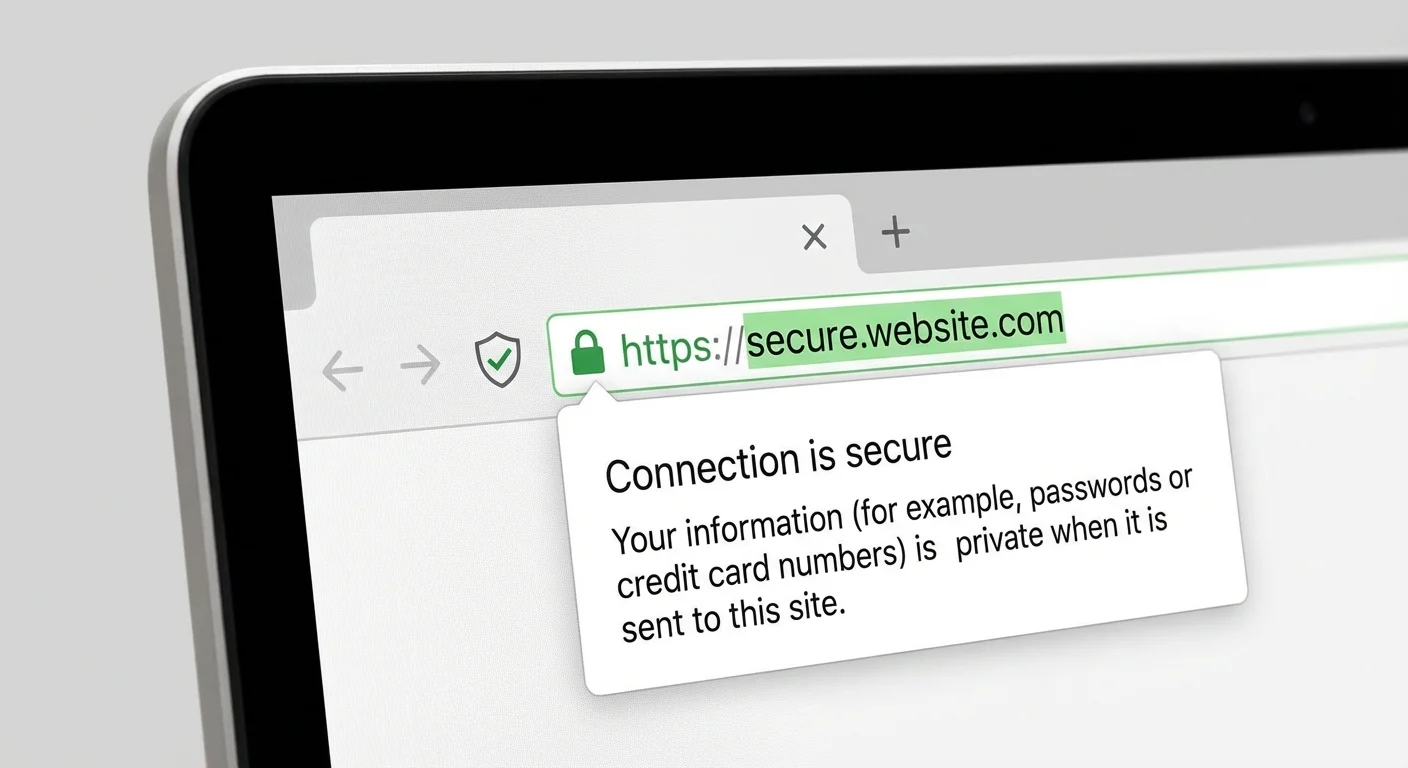
HTTPS encryption became a ranking factor in 2014, with half of first-page results using HTTPS by 2015. The Page Experience update strengthens this requirement.
HTTPS provides secure browsing, improves performance, and enables advanced features that boost conversions. Websites with high percentages of HTTP URLs receive failing warnings in the Page Experience report.
Migrating from HTTP to HTTPS requires careful planning to avoid ranking drops. Common migration issues include broken internal links, incorrect redirects, and external links pointing to old HTTP URLs.
Managing Intrusive Interstitials
Intrusive interstitials create poor user experience by blocking content access. Google penalises pop-ups, surveys, advertisements, and overlays that interrupt user interaction with main content.
Since 2017, Google has ranked mobile pages lower when they display intrusive elements. The Page Experience update extends this penalty with stronger emphasis on user accessibility.
Google identifies problematic interstitials as:
- Pop-ups covering main content immediately after page load
- Standalone interstitials requiring interaction before content access
- Above-the-fold layouts resembling interstitials with content below the fold
These elements relate directly to the CLS metric in Core Web Vitals, as they often cause layout shifts that harm user experience. Design interstitials to be unobtrusive and easily dismissible when necessary.
Measuring and Monitoring Page Experience
Google Search Console’s Page Experience report provides detailed insights into your website’s performance across all ranking signals. The report identifies specific issues and tracks improvements over time.
Monitor Core Web Vitals using Google’s PageSpeed Insights, Chrome DevTools, and Search Console. These tools provide real user data alongside lab testing results for complete performance understanding.
Regular monitoring helps identify performance degradation before it impacts rankings. SEO performance tracking should include page experience metrics alongside traditional ranking factors.

Implementation Strategy for Page Experience Optimisation
Successful page experience optimisation requires systematic approach focusing on technical improvements, content optimisation, and ongoing monitoring.
Start with technical SEO fundamentals including server optimisation, image compression, and code minification. These changes often provide immediate Core Web Vitals improvements.
Content delivery networks (CDNs) significantly improve LCP scores by serving content from geographically closer servers. Implement lazy loading for images and videos to reduce initial page load times.
Regular audits identify new issues as content and functionality expand. Common SEO mistakes often include neglecting page experience factors during website updates.
Future of Page Experience in Search Rankings
Google continues evolving page experience signals to match user expectations. The company plans annual updates introducing new metrics and refining existing measurements.
Emerging technologies like Progressive Web Apps (PWAs) and Accelerated Mobile Pages (AMP) align with Google’s user-first approach. Businesses investing in these technologies often see ranking advantages.
Voice search and artificial intelligence will likely influence future page experience metrics. Websites optimised for diverse interaction methods position themselves for long-term search success.
The Page Experience update represents Google’s commitment to rewarding websites that prioritise user satisfaction over search engine manipulation. This user-first approach benefits businesses that focus on genuine value creation rather than technical tricks.

Frequently Asked Questions
What are Core Web Vitals and why do they matter?
Core Web Vitals are Google’s user-experience metrics measuring page loading (LCP), interactivity (FID), and visual stability (CLS). They directly impact search rankings and user satisfaction.
How does the Page Experience update affect my website rankings?
The update uses page experience as a ranking factor alongside content quality. Poor user experience can lower rankings, while optimised sites see improved visibility in search results.
What is a good Core Web Vitals score?
Good scores are: LCP under 2.5 seconds, FID under 100 milliseconds, and CLS under 0.1. These thresholds ensure positive user experience and avoid ranking penalties.
Do I need HTTPS for good page experience scores?
Yes, HTTPS is required for good page experience scores. Google considers security essential for user trust and has made HTTPS a ranking signal since 2014.
How can I test my website’s page experience?
Use Google Search Console’s Page Experience report, PageSpeed Insights, and the Mobile-Friendly Test Tool to measure and monitor your website’s performance across all page experience signals.
Will good page experience override poor content quality?
No, Google states that pages with the best content still rank higher even with poor user experience. Page experience becomes the deciding factor when content quality is similar between competing pages.